
Home » Posts Page » Blog » Products and Materials » The Role of Packaging When Transporting Food Items Off-Site
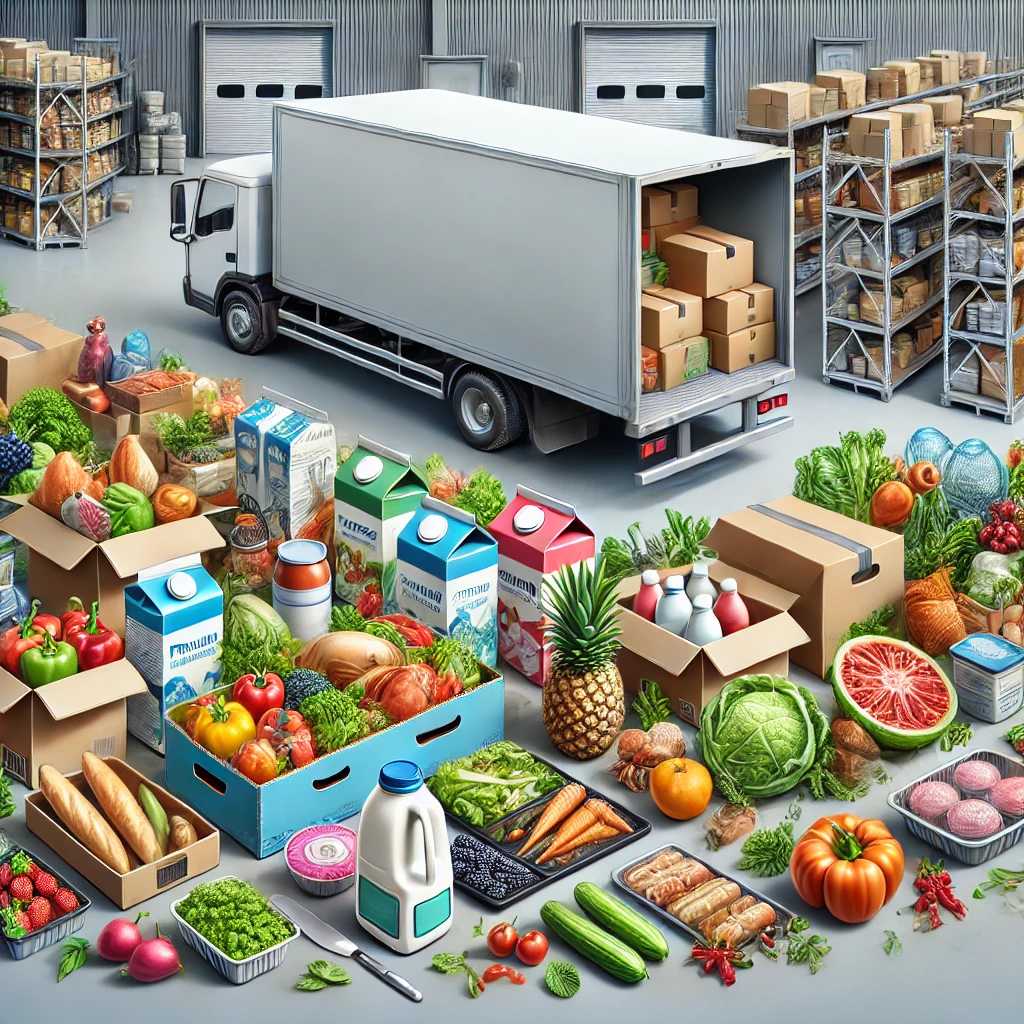
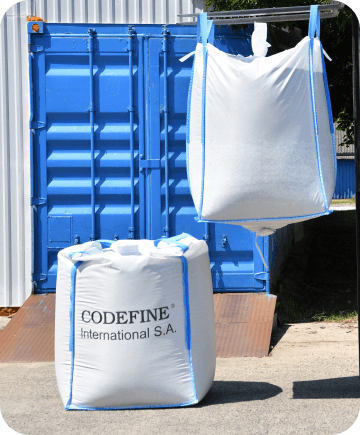
Food transported off-site must be packed in food-grade packaging that is certified for direct food contact, matched to the temperature requirements of the product, and sealed against contamination for the full duration of the journey. In practice that means materials compliant with FDA 21 CFR 177 in the United States or Regulation (EC) 1935/2004 and Regulation (EU) 10/2011 in Europe, supplied by a manufacturer operating a documented food safety system such as BRCGS Packaging Materials, IFS or AIB. For bulk food, this usually takes the form of a food-grade FIBC manufactured from virgin polypropylene with a sealed polyethylene liner, specified as ventilated for produce carrying residual moisture or coated and sift-proof for powders.
Compliance is not a single certificate. Food packaging sits under a framework of material regulations, manufacturing standards and process controls, and which ones apply depends on where you ship and what you ship. The table below sets out the standards most often requested of a bulk food packaging supplier.
| Standard | Region | What it covers | Applies to FIBC |
|---|---|---|---|
| FDA 21 CFR 177 | United States | Indirect food additives: polymers. Lists the polymers permitted in food-contact applications and the conditions of use. Section 177.1520 covers olefin polymers, which includes the polypropylene and polyethylene used in FIBC fabric and liners. | Yes. Both the woven fabric and the liner resin must be compliant, and the supplier should be able to produce a letter of compliance. |
| Regulation (EC) No 1935/2004 | European Union | The framework regulation for all materials and articles intended to come into contact with food. Requires that no constituent transfers to food in quantities that endanger health, change composition, or alter taste and odour. Also mandates traceability and a written Declaration of Compliance. | Yes. This is the umbrella regulation for any FIBC sold into the EU for food use. |
| Regulation (EU) No 10/2011 | European Union | The specific measure for plastic food-contact materials. Sets the Union list of authorised substances and the migration limits, including an overall migration limit of 10 mg per square decimetre and substance-specific limits. | Yes. Governs the PP fabric and PE liner directly. Migration testing evidence should be held on file. |
| Regulation (EC) No 2023/2006 | European Union | Good Manufacturing Practice for food-contact materials. Requires a documented quality assurance and quality control system at the manufacturing site, covering raw materials, process control and record keeping. | Yes. Applies to the bag manufacturer rather than the product, and is often audited alongside 1935/2004. |
| HACCP | International (Codex Alimentarius) | Hazard Analysis and Critical Control Points. A preventive risk management system rather than a packaging specification. Identifies hazards across a process and defines the control points and monitoring for each. | Indirectly. The packaging manufacturer applies HACCP to its own production, and the food business must treat packaging selection and integrity as control points within its own plan. |
| BRCGS Packaging Materials | Global (UK origin), GFSI benchmarked | Certification standard for packaging manufacturers. Covers hygiene, product safety management, site standards, contamination control and traceability, with graded audit outcomes. | Yes, directly. This is the certification most commonly requested of FIBC producers supplying the food sector. |
| IFS Food and IFS PACsecure | Global (Europe origin), GFSI benchmarked | IFS Food certifies companies that process food. IFS PACsecure is the parallel standard covering packaging manufacturers. Both assess food safety management, hygiene practices and process control. | Yes, via PACsecure for the bag manufacturer. IFS Food applies to the food business using the packaging. See our guide to IFS Food certification. |
| AIB International Consolidated Standards | Global (US origin) | Inspection standards covering prerequisite programmes and food safety practices, with a dedicated standard for packaging manufacturing facilities. Focused on operational hygiene, pest management and facility condition. | Yes. Frequently specified by North American food manufacturers as a supplier requirement. |
Certification of the manufacturer and compliance of the material are separate things. A supplier can hold a BRCGS certificate and still supply a bag whose resin is not documented for food contact, so ask for both the site certification and the material Declaration of Compliance.
Packaging plays an important role in ensuring food is safeguarded against environmental factors in transit. The right packaging can extend the shelf life of perishable goods while protecting more delicate items from damage. As well as helping guarantee freshness, packaging protects food from contamination. All of these result in less waste and healthy profit margins.
Don’t assume you can use any type of packaging to transport food. When dealing in bulk, you’ll need to invest in specialized packaging to guarantee food quality and ensure adherence to food safety standards.
When operating a food production or processing operation at scale, extra care needs to be taken to avoid contamination and protect against damage. Only then can strict food safety requirements be met. Specialized packaging helps.
Maintaining freshness is a key consideration, even when transporting food short distances. When it comes to longer haul journeys, packaging is central to protecting food quality. Packaging protects delicate items like soft fruits against things like bruising, while breathable containers ensure optimal air circulation, helping avoid spoilage.
Strict food safety standards need to be observed when transporting food in bulk. To guarantee compliance, you’ll need to use certified packaging that’s fit for purpose.
Not all types of food packaging are created equal, with different materials offering varying levels of protection. Below are some of the most common types of food-grade packaging you’re likely to encounter.
Food-grade FIBC bags are packaging that’s been carefully designed to pack, store, and transport perishables and food items. Food-grade bags can be used to store and transport everything from raw ingredients to processed products, ensuring optimal freshness and protection against contamination. In order for an FIBC bag to be certified as food-grade, it has to undergo strict testing to ensure they adhere to strict health and safety standards.
Many perishable goods need to be kept refrigerated or frozen during transportation. However, keeping these goods within a safe temperature range can be difficult with conventional packaging. Rather than risk food spoiling, insulated and temperature-controlled packaging should be utilized. As well as protecting against pests and damage, insulated packaging offers essential thermal protection during transit.
If you’re looking for more reliable ways to transport edible items, food-grade plastic containers and bags are a good choice. From small polypropylene bags to container liners, you’ll find a wide range of plastic options for safely transporting food. Do you want to operate more sustainably? Look for containers made from biodegradable materials to reduce your carbon footprint.
Freshness is a key concern when transporting food over long distances. Fortunately, vacuum-sealed packaging offers a convenient way to protect edibles and safeguard freshness, with everything from vacuum packaging to larger sealed containers available.
Packaging choice follows the product, not the other way round. The ranges below are typical industry handling conditions. Legal minimums differ by jurisdiction, so confirm the requirement for each market you ship into before setting a specification.
| Food category | Recommended packaging | Temperature range | Key risk |
|---|---|---|---|
| Dry bulk (grains, rice, pulses, sugar) | Food-grade FIBC in virgin polypropylene with a sealed polyethylene liner | Ambient, below 25°C, relative humidity below 65 per cent | Moisture ingress causing caking and mould. Pest infestation during extended storage. |
| Fresh produce (potatoes, onions, root vegetables) | Ventilated food-grade FIBC or jute bag | Potatoes 7 to 10°C; onions 0 to 4°C at low humidity. Below 4°C potatoes develop cold-induced sweetening. | Respiration heat and condensation causing rot. Sealed packaging makes both worse. |
| Chilled foods | Insulated packaging with active refrigeration, sealed food-grade inner containment | 0 to 5°C typical industry practice. Legal maximum varies: 8°C in the UK for most chilled foods, 5°C under the US FDA Food Code. | Excursion into the 5 to 60°C range where pathogen growth accelerates. Cumulative time above limit matters as much as peak temperature. |
| Frozen foods | Insulated packaging with deep-freeze transport, moisture barrier inner | Minus 18°C or below. Brief tolerance to minus 15°C during transport is permitted under the EU quick-frozen foodstuffs rules. | Partial thaw and refreeze causing ice crystal damage, texture loss and freezer burn. |
| Powders (flour, milk powder, starch) | Coated, sift-proof food-grade FIBC with a sealed polyethylene liner. Type C or Type D antistatic construction where combustible dust is a factor. | Ambient, below 25°C, relative humidity below 60 per cent | Sifting through seams causing product loss and cross-contamination. Moisture caking. Static discharge in combustible dust atmospheres. |
| Edible oils and liquids | Flexitanks, rigid IBCs or drums. FIBCs are not suitable for liquid products. | Varies by product. Palm oil and similar fats require heating to roughly 32 to 40°C to remain pumpable. | Oxidation and rancidity from heat and light exposure. Residue carryover from a previous cargo in reused containers. |
Work through the following before the vehicle leaves. Most food safety incidents in transport trace back to one of these being skipped rather than to a packaging failure.
While transporting food items safely is fairly straightforward, special care has to be taken to ensure they are transported safely. For starters, you’ll need to ensure you’re using the right type of containers. Insulated containers are ideal for maintaining optimal temperatures, while leak-proof packaging can help prevent spillage and damage. It’s also important to separate foods prior to packing and transportation. For example, raw foods need to be kept separate from ready-to-eat items, while raw foods should never be stacked above ready-to-eat foods.
Selecting the right type of container is only one aspect of safe food transportation. You’ll also need to ensure you’re using the right type of vehicle. Refrigerated vehicles are ideal for transporting all types of food, while temperature-controlled transit may be required for more temperature-sensitive items. Using more efficient routes is also recommended if you want to reduce travel time and protect against fluctuations in temperature. This can help compensate for delays caused by busy traffic conditions and other unforeseen events.
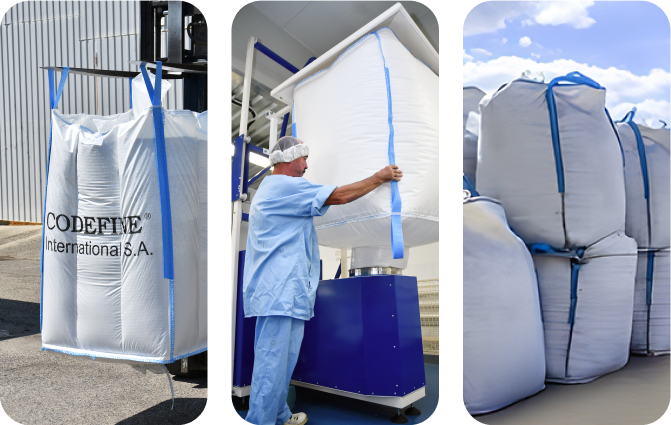
It’s particularly important to consider hygiene and quality control standards when selecting packaging. When choosing food-safe packaging, look for solutions that are made from 100% virgin materials. What’s more, food-grade packaging should offer protection against pests and offer excellent ventilation for breathability. Health and safety regulations also need to be observed by your personnel when handling food items during packing, with proper hygiene equipment worn during the process.
Searching for the right food packaging solution for your logistics operation? To help you make the right choice, you’ll want to bear the following in mind when selecting suitable packaging.
You’ll also need to consider the kinds of food items you’re transporting. Perishable items with a relatively short shelf life, such as fresh fruit and vegetables, require packaging with excellent breathability and pest protection. Durability and impermeability are also important when storing and transporting dry goods, while frozen foods will need to be transported in sufficiently insulated packaging. Additionally, things like monitors may need to be installed to guarantee goods remain at optimal temperatures.
Consider how long a journey is going to take before selecting food packaging. More robust packaging with temperature control features may be needed to protect food during longer journeys.
Regular compliance is a key concern when transporting food. Vehicles used to transport food must meet particular standards, while temperature records also need to be monitored and recorded.
Looking for affordable and reliable food-grade packaging? At Codefine, you’ll find plenty of options to safeguard food when transporting it off-site. All of our food-grade packaging is made from 100% virgin polypropylene, ensuring complete compliance with food safety standards. All of our packaging products are exclusively manufactured, ensuring food is protected against mold, bacteria, and moisture. What’s more, our patented Codefine Super Dustproof (CSD) 3 bags are specially designed to store and transport super-fine powders and sensitive products.
Explore our full range of food-grade packaging online today. Alternatively, get in touch with the team to discuss your requirements in more detail.
1. How do cross-border food transport regulations affect packaging choices?
Different countries apply different standards for food-safe packaging, and what’s compliant in one market may not be accepted in another. Before selecting packaging for international shipments, it’s important to verify that materials meet the destination country’s specific regulatory requirements.
2. How should businesses handle mixed shipments with both chilled and ambient food items?
When transporting temperature-sensitive and ambient goods together, packaging needs to provide clear segregation to prevent temperature transfer. Using dedicated insulated zones or separate packaging solutions for each category is strongly advisable to protect product integrity across the full load.
3. What role does secondary packaging play in off-site food transport?
Primary packaging protects the product directly, but secondary packaging adds an important layer of defense against physical damage, contamination, and environmental exposure during transit. For bulk food shipments, secondary containment can also help manage spillage risk in the event of primary packaging failure.
4. How should businesses account for delays when planning food packaging for long journeys?
Packaging specifications should be based on the worst-case journey time, not the planned one. Buffer capacity for extended transit, unexpected temperature fluctuations, or handling delays can make the difference between cargo arriving in acceptable condition and significant product loss.
5. What hygiene standards apply to the personnel handling food-grade packaging during the packing process?
Workers involved in packing food-safe containers must adhere to strict hygiene protocols, including wearing appropriate protective equipment and following sanitization procedures. Inadequate hygiene at the packing stage can introduce contamination before a shipment even leaves the facility, undermining the protective qualities of the packaging itself.
See how our products can improve your operations and drive your success.

Get in touch to find out how Codefine can support your business with tailored solutions and expert guidance.