
Home » Posts Page » Blog » Polyethylene Liners for Bulk Bags: Types, Properties and How to Install Them
Bulk bags are a popular storage and logistics solution across countless industries. Hard-wearing and compatible with a variety of machinery, they’re a practical solution for safely handling delicate materials and hazardous contents. However, contamination can be a serious concern, with even a modest amount rendering expensive contents unusable. Additionally, leakage can lead to environmental hazards, putting human health and safety at risk.
Fortunately, there’s an easy way to overcome these problems. By adding polyethylene lining to bulk bags, you can protect delicate bulk materials from damage and enhance the storage credentials of flexible containers.
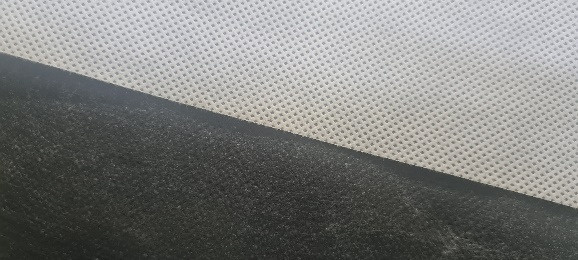
Polyethylene liners are essentially pieces of flexible plastic that can be added to the inside of a bulk bag, providing an additional layer of protection for stored contents. Polyethylene lining not only protects materials but also extends the lifespan of bulk bags themselves. PE liners serve as an almost impermeable layer and, by helping prevent punctures and leaks, help safeguard stored materials from moisture damage and dust exposure.
However, polyethylene lining is only effective if you’re using a liner that’s the right size for your container. Furthermore, liners need to be properly secured once containers have been filled with material to minimize moisture intrusion and minimize exposure to airborne contaminants.
Polyethylene liners come in a couple of main varieties. Firstly, there are high-density polyethylene (HDPE) liners. HDPE liners are particularly strong and boast impressive chemical resistance. Because of their credentials, they’re a popular choice in industries where exposure to chemicals is a daily occurrence.
Another option is low-density polyethylene (LDPE) liners. More flexible than HDPEs, LDPEs can readily conform to awkward shapes, making them a go-to choice for irregularly shaped materials. They’re also suitable for use as geomembranes.
The main difference between HDPE and LDPE liners is rigidity versus flexibility. HDPE resists punctures and aggressive chemicals, making it the pick for abrasive powders and harsh contents. LDPE flexes and conforms to irregular shapes, which suits food grade packaging and moisture sensitive goods needing a close fitting liner.
| Property | HDPE liners | LDPE liners |
|---|---|---|
| Density | Higher density, usually around 0.94–0.97 g/cm³ | Lower density, usually around 0.91–0.93 g/cm³ |
| Flexibility | More rigid and less flexible | Softer, more flexible, and easier to fit around irregular materials |
| Chemical resistance | Strong chemical resistance, especially for aggressive or hazardous materials | Good chemical resistance, but generally less rigid and less resistant than HDPE |
| Puncture resistance | Higher puncture and impact resistance | Moderate puncture resistance, better suited for lighter or less abrasive materials |
| Typical thickness | Commonly used in thicker, heavy-duty liner formats depending on the application | Available in thinner and more flexible liner formats depending on the application |
| Best application | Chemicals, hazardous materials, abrasive products, waste containment, and heavy-duty industrial use | Food ingredients, powders, agricultural products, irregularly shaped materials, and applications needing better flexibility |
Although other lining options exist, few are as effective as polyethylene lining. One of the key advantages of PE liners is their durability. Designed with long-lasting use in mind, PE liners can weather environmental stresses relatively easily, coping well with the wear and tear that would render other liner options unfit for purpose. Because PE liners don’t need to be replaced frequently, they’re a cost-effective option.
Additionally, PE liners are incredibly robust and manufactured to withstand exposure to harsh chemicals. Polyethylene is resistant to a variety of chemicals, making it useful for applications like waste management, the chemical industry, and other sectors where toxic byproducts need to be contained and controlled.
Polyethylene liners are also remarkably flexible. This flexibility makes them suitable for storing all manner of materials, with liners conforming to accommodate any shape. Once filled, containers and liners can be securely sealed, minimizing exposure to the elements and contaminants.
A sealed liner gets closest to waterproof, but the assembly is only as good as its closure. Polyethylene is almost impermeable, so water cannot pass through the film itself. Ingress happens at the top where the liner is tied or heat sealed, which makes closure technique the deciding factor.
Choosing the right PE liner depends on the product being stored, the level of moisture or chemical protection required, and how much flexibility the liner needs inside the bulk bag. HDPE and LDPE liners are both used for bulk packaging, but they perform differently depending on the application.
Using polyethylene liners is considered best practice across many industry sectors. Not sure whether or not you should be using them? Below are just some of the situations where using PE lining is essential.
PE liners play a crucial role in preventing leaks from occurring. If you’re using bulk bags as a storage solution, undetected leaks can lead to contamination and a loss of product, which can put a serious dent in your bottom line. If you’re using FIBCs to store potentially hazardous materials, leaks can be particularly dangerous, exposing your workers to potentially lethal safety hazards.
When used for certain applications, such as waste management, PE liners can also help mitigate ecological impact. As it’s nearly impermeable, polyethylene keeps water at bay, preventing it from coming into contact with stored material and creating leachate and other toxic chemicals. PE liners can be used for containment of both solid and liquid waste, protecting against soil contamination and ensuring nearby water sources don’t become polluted.
You might be using FIBCs that can be reused multiple times, but this ultimately depends on the condition they’re in. Woven polypropylene is a resilient material, but it can even become damaged when storing abrasive material for long periods of time. However, you can extend the lifespan of your FIBCs considerably by adding a PE liner. By not having to replace your bulk bags as frequently, you can make a serious saving.
Thanks to their durability and versatility, polyethylene liners are used across many different industries. Below, we’ll take a look at some of their most common applications.
Although FIBCs are commonly encountered in the construction sector, they’re not always robust enough to cope with the pressures of intensive building projects. However, PE liners can significantly enhance the functionality of bulk bags. PE liners are an effective way of protecting sensitive construction materials from moisture damage. They act as membranes, serving as a waterproof shield against water in moisture-rich environments like basements.
In the manufacturing sector, PE liners are commonplace and their applications within this industry are numerous. They offer a safe and secure way to dispose of chemicals and other toxic byproducts created during the manufacturing process, while they can also be used to line storage containers. What’s more, PE liners can help protect materials as they’re being handled, reducing waste and maximizing profit margins.
Across the globe, landfills remain one of the most common methods of waste disposal. However, landfills aren’t particularly sustainable and have the potential to be devastating to the environment if proper precautions aren’t taken. If waste is buried in the ground, rainwater can permeate, creating toxic leachate that can then seep into the surrounding soil.
Fortunately, PE liners provide a convenient solution for reducing the ecological impact of landfills. Polyethylene liners can help seal landfill sites, with their durable design ideal for withstanding punctures and other wear and tear. What’s more, they are resistant to UV damage, meaning liners exposed to sunlight won’t easily degrade over time. Furthermore, PE liners are chemical resistant, which is particularly useful for landfill sites used to dispose of potentially toxic material.
PE Liners are regularly used in the food industry. In this industry, fine powders and delicate ingredients are commonplace, calling for strict contamination control procedures. Even small-scale contamination can render an entire batch of product unfit for human consumption, leading to a loss of raw materials and profit. An easy way to avoid this problem is by combining food-grade FIBCs with reliable PE liners.
The agricultural sector utilizes PE liners in many ways. They can be used to enhance the credentials of bulk bags, making them useful for long-term storage of agricultural feed and other sensitive materials. What’s more, they can form an integral part of irrigation systems, helping reduce the impact of soil erosion and manage water waste. They can even be used for pest control purposes, helping deter vermin and control weeds.
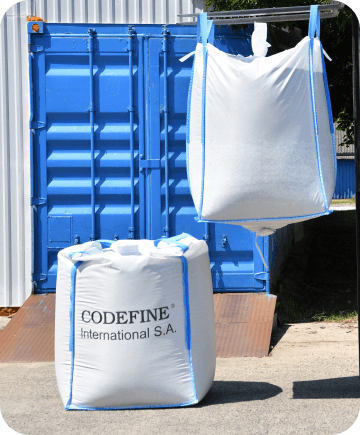
Getting the liner material right is half the job. The other half is making sure you install and seal it properly, because a mispositioned or poorly sealed liner can cause the same contamination and leakage problems you bought the liner to prevent.
Start by choosing the correct liner type for your stored material. HDPE liners are the right pick for aggressive chemicals, abrasive powders, or any situation where puncture resistance and chemical compatibility are the priority. LDPE liners work better for food-grade packaging, moisture-sensitive goods, and containers with irregular internal shapes where the liner needs to flex and conform. If you are handling flammable powders or materials prone to static buildup, you will need a conductive or anti-static liner regardless of density type.
Once you have the right liner, confirm the sizing. The liner circumference should match the internal perimeter of your FIBC (including baffles if your bag has them), and the liner length should leave enough excess material at the top for a proper closure without stretching.
Inspect every liner before you put it into a bag. Check for pinholes, crease damage along fold lines, and any defects in heat-sealed seams. Rejecting a compromised liner before filling is far cheaper than losing product after.
Clean the inside of the FIBC before inserting the liner. Dust, debris, or residual product from a previous use can puncture thin-gauge liners and contaminate the new contents.
Position the liner so it sits flat against the bag walls with no bunching or folds caught between the liner and the bag fabric. For form-fit liners, align the spout openings with the FIBC’s fill and discharge spouts. For lay-flat tube liners, center the liner and allow the excess to drape evenly over the top of the bag.
During filling, control the rate of product flow so the liner inflates gradually rather than being hit with a sudden surge. A rapid fill can drag the liner against equipment edges, clamps, or burrs on spout rings, causing tears. Watch for the liner shifting or twisting as the bag fills. If you spot movement, stop and reposition before continuing.
Follow the FIBC manufacturer’s recommended fill weight. Overloading puts stress on seams and stretches the liner beyond its design tolerance, especially with LDPE liners, which are more prone to deformation under excess load.
Once the bag is filled, seal the liner before closing the outer bag. For heat-sealed closures, verify that your sealing equipment is set to the correct temperature and dwell time for the liner material. HDPE and LDPE have different melting points, so a setting that works for one can produce a weak seal on the other.
For tie closures, gather the excess liner material, twist it tightly (a consistent number of twists per bag reduces variability across your operation), and secure with a cable tie or tape. Fold the twisted section downward so no open path exists for moisture or airborne contaminants to reach the product.
After sealing, do a visual check. The closure should show no gaps, loose folds, or areas where the liner neck remains open. For high-sensitivity applications in food, pharma, or hygroscopic chemical storage, consider implementing a photo-based work instruction so operators have a clear reference for what a correctly sealed liner looks like.
Store filled FIBCs in a clean, dry area away from direct sunlight. Even UV-stabilized liners will degrade over prolonged sun exposure, and temperature cycling in outdoor storage can cause condensation inside the liner.
If your bags will be moved by forklift, use slip sheets between the pallet and the bag base, and make sure fork tines are clean and free of burrs. Forklift punctures are one of the most common causes of liner failure after filling.
For reusable FIBC programs, inspect the liner before each reuse cycle. Look for thinning walls, abrasion marks, discoloration, and any loss of seal integrity. For food, pharmaceutical, and hazardous material applications, treat liners as single-use components. The cost of a new liner is trivial compared to a contamination event.
Keen to reduce the risk of contamination? Looking for a way to store and transport bulk goods more efficiently? Perhaps you operate within the pharmaceutical or chemical manufacturing industries where handling hazardous materials is a daily occurrence. In all these situations, polyethylene liners provide you with a reliable way to enhance your containers of choice.
At Codefine, you’ll find an extensive range of container liners and polyethylene lining products available, with options to suit every industry. Why not take a look at the full range online today? Not sure whether to go with PE or PP bags? Perhaps you’ve got a question about PE liners. Feel free to get in touch with the team with your queries.
See how our products can improve your operations and drive your success.
Get in touch to find out how Codefine can support your business with tailored solutions and expert guidance.