
Home » Posts Page » Blog » Products and Materials » How Container Liners Reduce Cleaning & Turnaround Time
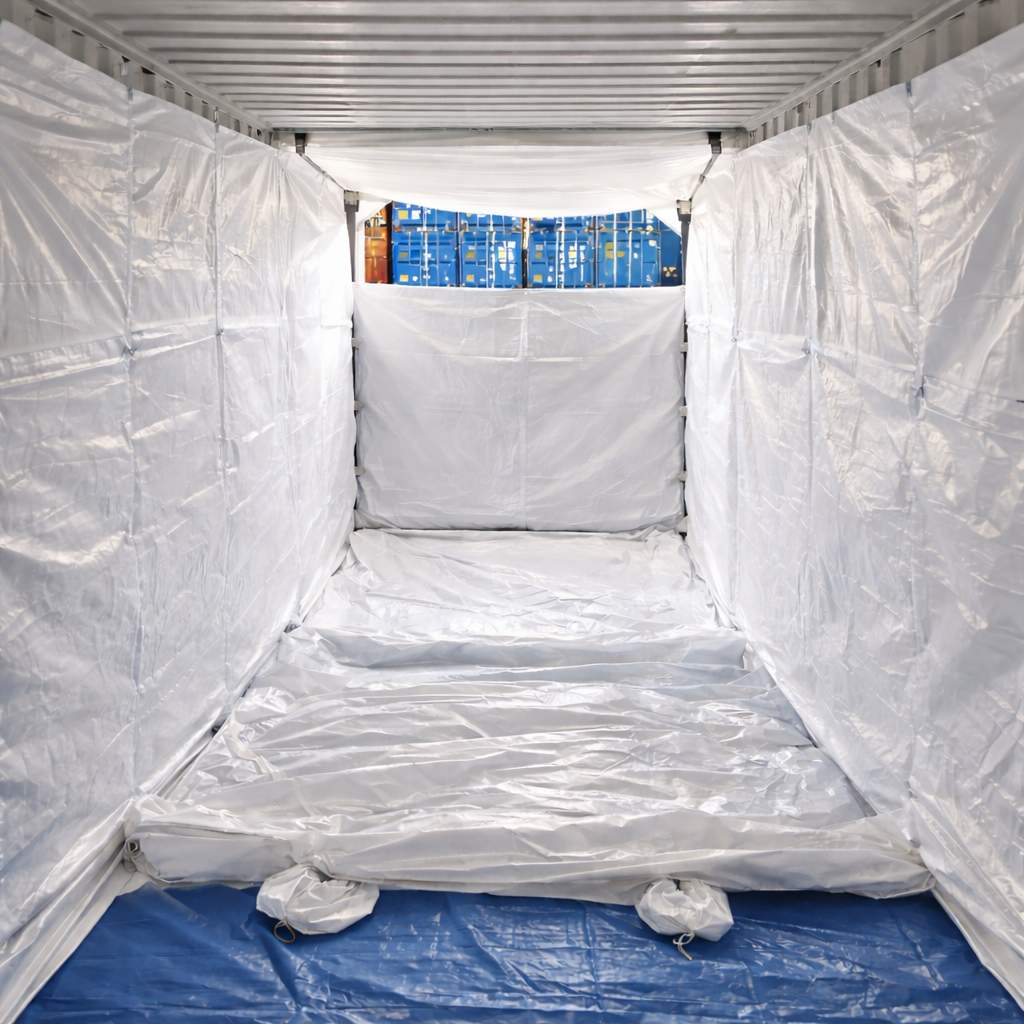
Container liners offer a practical solution to this challenge. By preventing cargo from contacting container walls, liners significantly reduce cleaning requirements and accelerate container turnaround time, improving shipping efficiency and lowering operational costs.
When bulk materials are loaded directly into shipping containers without protective liners, residues remain after discharge. Powders cling to steel surfaces, granules become trapped in corrugations, and fine materials accumulate in corners. Removing these residues requires manual labor, washing, drying, and inspection.
This cleaning process creates multiple operational burdens:
In industries such as chemical manufacturing or food production, even trace contamination from previous cargo can create compliance risks. In mining and construction, cleaning delays reduce the number of shipments that can be completed within a given timeframe.
The cumulative effect is reduced container utilization and higher cost per shipment.
Container liners act as a protective barrier between bulk cargo and the container interior. Once installed, the liner fully covers the internal walls and floor, ensuring that the product does not directly contact the steel surface.
After discharge, the liner is simply removed and disposed of or recycled, leaving the container interior clean and ready for its next load. This eliminates the need for manual scraping, washing, and drying in most applications.
Codefine’s container liner solutions are engineered to fit standard shipping containers precisely, reducing liner movement during loading and ensuring full surface coverage. By preventing cargo residue buildup, these liners transform container preparation from a labor-intensive task into a rapid transition process.
Reduced cleaning directly translates into faster turnaround.
Without liner protection, containers may require hours of cleaning and inspection before being approved for reuse. With container liners, post-discharge preparation is significantly shortened, allowing containers to return to service more quickly.
Faster turnaround time leads to:
For export-oriented manufacturers handling agricultural commodities, chemical powders, or construction materials, the ability to load, discharge, and reload containers quickly improves overall supply chain velocity.
In high-volume operations, even modest reductions in turnaround time can generate measurable annual savings.
Traditional loose bulk loading exposes container interiors directly to product materials. While this approach may appear cost-effective initially, it often increases long-term operational expenses due to cleaning labor and contamination risks.
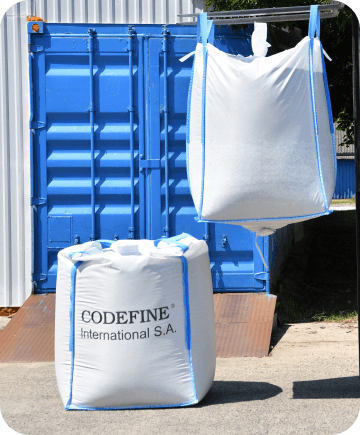
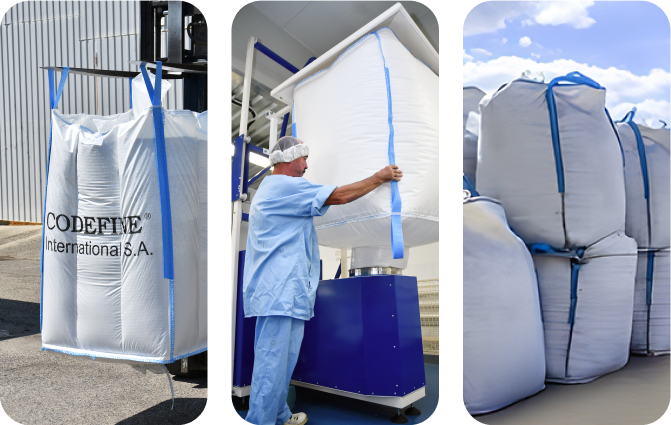
FIBCs offer an alternative by containing material within individual bulk bags. However, when very large volumes must be transported, container liners provide a more space-efficient solution while maintaining product separation from container surfaces.
Compared to loose bulk loading, container liners provide:
When combined strategically with FIBCs or other bulk packaging solutions, container liners support flexible logistics models tailored to shipment size and product characteristics.
Several industries experience substantial operational gains from using container liners.
In agriculture and animal products, where grains and feed ingredients are exported in large volumes, preventing residue buildup accelerates shipment cycles. In chemical manufacturing, moisture-sensitive powders and specialty materials benefit from both contamination control and rapid container reuse.
Mining and construction materials producers, often operating in high-throughput environments, rely on consistent container availability to maintain export schedules. Food manufacturers similarly benefit from improved hygiene and faster preparation between loads.
Across these sectors, reducing cleaning time strengthens supply chain reliability.
The efficiency gains from container liners can be evaluated by comparing operations with and without liner use.
Factor | Without Container Liner | With Container Liner |
Cleaning Labor | Manual scraping and washing are required | Minimal or no cleaning needed |
Turnaround Time | Delayed due to cleaning | Significantly faster |
Contamination Risk | Higher between shipments | Greatly reduced |
Container Utilization | Lower annual cycle count | Higher shipment frequency |
By reducing labor hours and downtime, container liners directly improve container productivity and lower the cost per shipment.
Codefine designs container liner solutions that enhance operational efficiency across export-oriented industries. Engineered for strength, durability, and precise fit, Codefine container liners protect cargo from contamination while eliminating the need for extensive post-shipment cleaning.
Available in configurations tailored to agricultural products, chemical powders, mining materials, and food ingredients, Codefine liners help manufacturers reduce downtime, accelerate container turnaround, and increase overall logistics performance.
By integrating container liners into bulk shipping strategies, manufacturers can transform cleaning from a bottleneck into a competitive advantage, supporting faster turnaround, lower operational costs, and improved supply chain reliability.
See how our products can improve your operations and drive your success.
Get in touch to find out how Codefine can support your business with tailored solutions and expert guidance.