
Home » Posts Page » Blog » Products and Materials » How to Reduce Packaging Costs Without Sacrificing Quality (FIBC Expert Guide)
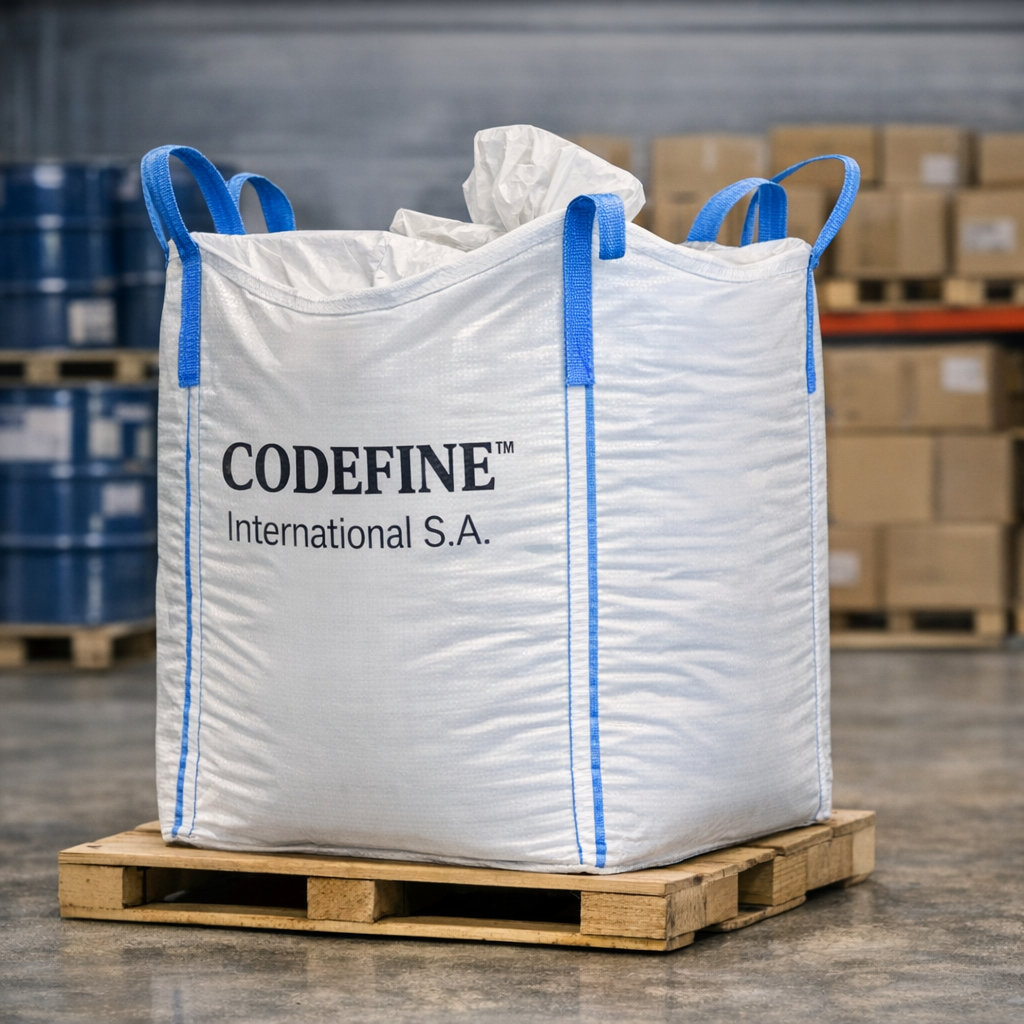
True packaging costs encompass failure rates and resulting material loss, labor costs for handling damaged bags, transportation efficiency, storage requirements, and regulatory compliance expenses when failures occur.
A comprehensive cost analysis reveals that packaging failures typically cost 10-50 times the bag’s purchase price when accounting for lost materials, production downtime, emergency replacements, and labor. A single bag failure containing $500 of specialty chemicals instantly makes that “cheap” bag the most expensive option.
Low-quality FIBCs create cascading costs that devastate budgets despite attractive initial pricing. Material loss from bag failures represents the most obvious impact; a ruptured bag containing pharmaceutical ingredients or specialty chemicals can result in thousands of dollars in lost product. Production downtime occurs when bag failures halt operations while workers clean up spills and replace damaged bags.
Worker safety incidents create substantial liability exposure when inferior bags rupture unexpectedly, potentially causing injuries that lead to workers’ compensation claims and OSHA investigations. Customer complaints and relationship damage follow when shipments arrive with compromised packaging. Emergency replacement orders at premium prices compound problems when rushed shipments require expedited manufacturing and freight charges that can triple normal bag costs.
One of the most effective cost reduction strategies involves matching bag dimensions and capacities precisely to your actual requirements. Many companies default to standard sizes even when their materials would benefit from custom dimensions. A company filling bags to only 70% of rated capacity pays for 30% unused material on every order while also incurring higher transportation costs from wasted space.
Custom sizing eliminates this waste. A manufacturer switching from standard 2,200-pound bags to custom 1,500-pound bags matching their actual fill weights reduced per-bag costs by 22% while improving pallet optimization and transportation efficiency.
Fabric selection significantly impacts both cost and performance. Standard woven polypropylene fabrics range from 130 GSM (grams per square meter) to 200+ GSM, with each increment adding cost.
Fabric Weight | Typical Cost Range | Best Applications | Durability Level |
130-140 GSM | $8-$12 per bag | Light, non-abrasive materials, single-use | Basic |
150-160 GSM | $10-$15 per bag | General industrial use, moderate handling | Standard |
180-190 GSM | $14-$20 per bag | Abrasive materials, multiple handling cycles | Enhanced |
200+ GSM | $18-$28 per bag | Heavy-duty applications, reusable bags | Premium |
For non-abrasive materials like plastic pellets or food ingredients, 140 GSM fabric often provides adequate performance at 25-35% lower cost than 180 GSM bags. However, abrasive materials like mineral ores or construction aggregates require heavier fabrics to prevent premature wear. The strategy is matching fabric weight to application demands rather than defaulting to heavier materials.
Every feature added to an FIBC increases cost, making thoughtful design essential. Lifting loop configurations range from simple corner loops to cross-corner designs, tunnel loops, and stevedore straps, each carrying different price points. A company using bags exclusively with forklift handling doesn’t need premium lifting loop designs intended for crane operations.
Discharge systems represent another cost variable. Simple open-bottom designs cost less than spout configurations with tie closures or iris closures. If your operation empties bags by cutting them open, investing in elaborate discharge systems wastes money. Similarly, liner requirements should match actual protection needs, evaluate whether moisture protection or contamination control genuinely requires liners or if they’re specified out of habit.
Order quantity dramatically affects per-unit pricing. Small orders of 100-500 bags typically receive minimal discounts, while orders of 1,000-2,000 bags might yield 10-15% savings, and orders exceeding 5,000 bags can achieve 20-30% discounts compared to small-quantity pricing.
The challenge is balancing volume discounts against inventory carrying costs and storage limitations. Many companies find that ordering 3-6 months of supply at once captures significant volume discounts while maintaining reasonable inventory turns and avoiding obsolescence risk.
Reusable FIBCs present an intriguing cost reduction opportunity but require careful analysis. These bags cost 2-3 times more initially than single-use bags but can be used 4-10 times with proper handling and inspection. A reusable bag costing $36 that’s used six times delivers a per-use cost of $6, compared to $12 for single-use bags,a 50% savings.
However, reusable programs require additional infrastructure, including cleaning and inspection systems, tracking mechanisms, and quality control protocols. These overhead costs can consume 20-40% of the theoretical savings. Reusable bags work best for closed-loop operations where bags circulate between consistent locations and materials don’t severely contaminate bags.
Strategic supplier partnerships yield cost advantages beyond simple volume discounts. Establishing long-term relationships with qualified suppliers enables technical consultation that prevents costly specification errors, consistent quality that reduces failure rates, streamlined ordering processes that minimize administrative overhead, and collaborative forecasting that helps suppliers optimize production scheduling.
Investing in quality verification prevents exponentially higher costs from packaging failures. Implement incoming inspection protocols that include visual fabric inspection, random lift loop testing, fabric weight verification, and dimensional checks against specifications. These inspections cost pennies per bag but prevent failures costing hundreds or thousands.
Sample load testing provides additional assurance when changing suppliers or specifications. Fill several bags with actual materials, subject them to typical handling conditions, and verify performance before committing to large orders.
Standardizing on fewer bag specifications creates compounding cost advantages. Reduced SKU complexity simplifies inventory management and reduces carrying costs. Higher volumes for each specification enable better pricing. Operations become more efficient with consistent handling procedures and less training complexity.
A food ingredient distributor consolidated from 18 different bag specifications to seven standard types, reducing total annual packaging costs by 28% despite paying slightly more per bag for some specifications. The savings came from volume discounts on standardized bags, reduced inventory complexity, and improved operational efficiency.
Codefine approaches packaging cost reduction as a strategic partnership focused on delivering maximum value through quality and performance optimization. Our value engineering services analyze your applications, materials, and handling processes to identify genuine cost-saving opportunities that enhance, rather than compromise, packaging reliability.
We help you right-size specifications to eliminate waste, optimize material selections based on actual performance requirements, and remove unnecessary features that add cost without delivering functional benefits. Our technical consultation prevents expensive specification mistakes before they impact your operations.
Quality assurance is central to our cost optimization approach. Rigorous testing protocols and consistent manufacturing standards ensure reliable bag performance that eliminates the costly failures, material losses, and operational disruptions often associated with inferior packaging. Whether you’re in agriculture, chemical manufacturing, mining, pharmaceuticals, construction, or animal products, our FIBCs deliver the durability and dependability your operations require, protecting both your materials and your budget through proven performance.
Whether you’re seeking incremental improvements through specification refinement or comprehensive program redesign, Codefine provides the expertise and quality products that make sustainable cost reduction achievable. Contact us to discuss your packaging challenges and discover how strategic FIBC management can strengthen your operations while optimizing total cost of ownership through superior quality and performance.
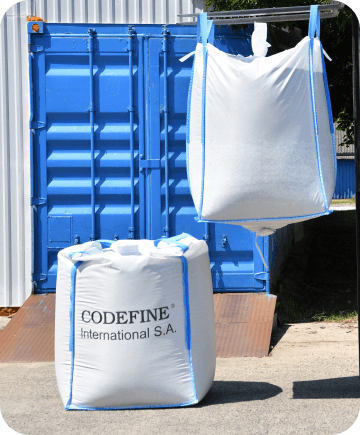
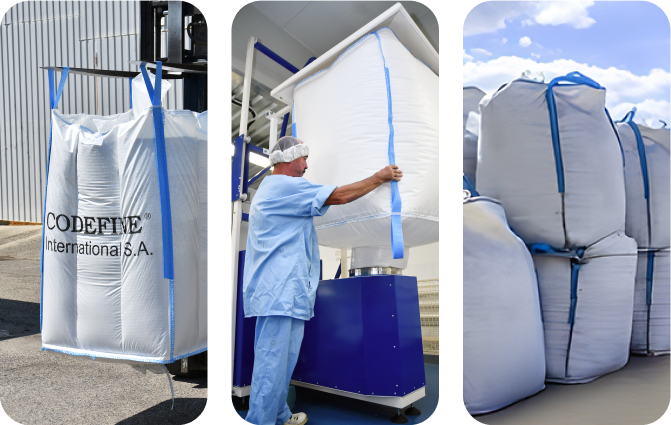
See how our products can improve your operations and drive your success.
Get in touch to find out how Codefine can support your business with tailored solutions and expert guidance.