
Home » Posts Page » Blog » Products and Materials » Seasonal Demand Planning for Bulk Packaging in Agriculture & Mining
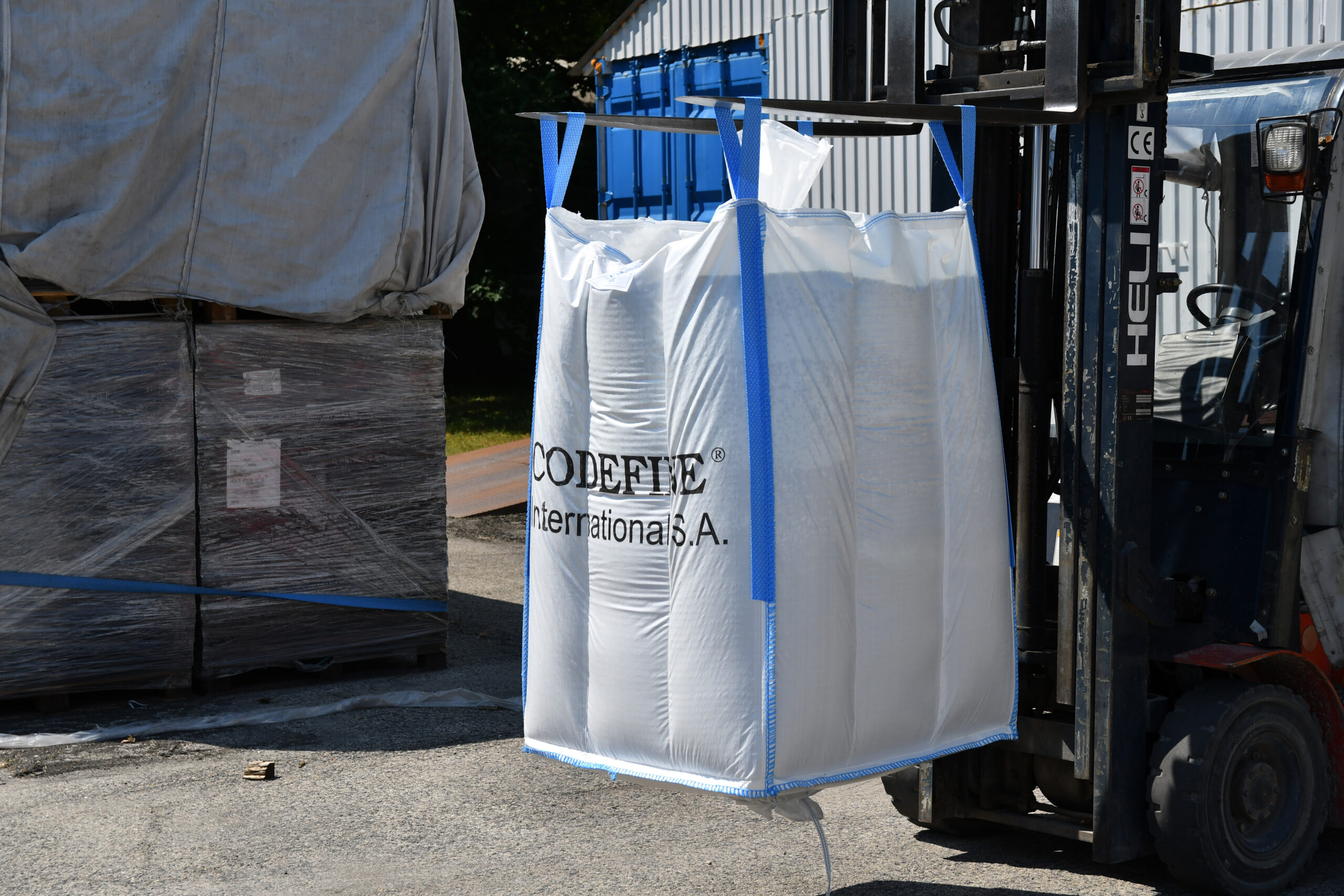
In agriculture, demand peaks are closely tied to planting and harvest cycles. Crops are often harvested within narrow time windows, creating sudden surges in the need for bulk packaging to store, transport, and export products. Missing these windows due to packaging shortages can result in delayed shipments, quality degradation, or lost revenue.
Mining operations follow different but equally cyclical patterns. Production volumes may increase based on commodity prices, contractual obligations, or seasonal accessibility of extraction sites. When output ramps up, packaging demand rises accordingly, often with little margin for delay. In both industries, seasonality compresses timelines and amplifies the consequences of poor planning.
Seasonal demand introduces volatility into bulk packaging needs. During peak periods, operations may require significantly higher volumes of FIBC bulk bags, polypropylene bags, or container liners within a short timeframe. Suppliers face similar demand spikes across the industry, which can lead to extended lead times, limited availability, and higher costs.
Conversely, overestimating demand can result in excess inventory, increased storage costs, and packaging materials sitting unused for long periods. Effective seasonal planning seeks to balance these risks by aligning packaging supply with production realities rather than reacting after demand has already surged.
One of the most common challenges is forecasting accuracy. Many operations rely on historical averages without accounting for changes in yield, market demand, or weather variability. This can lead to mismatches between packaging supply and actual needs.
Supplier capacity is another constraint. During peak seasons, even reliable suppliers may struggle to fulfill urgent orders if demand exceeds production capacity. Transportation bottlenecks, especially during harvest or export-heavy periods, can further complicate timely delivery.
Quality issues also arise when packaging is sourced hastily to meet urgent demand. Rushed procurement increases the risk of inconsistent materials, which can compromise handling, storage, and safety during peak operations.
Accurate demand forecasting begins with understanding historical production and shipment data, but it should not end there. Seasonal demand planning works best when packaging forecasts are aligned with real production schedules, export plans, and inventory turnover rates.
Planning Phase | Key Focus | Bulk Packaging Actions | Operational Benefit |
Pre-Season Planning | Demand forecasting and risk mitigation | Analyze historical volumes, align packaging forecasts with production plans, secure supplier capacity | Reduced risk of shortages during peak season |
Early Season Build-Up | Inventory positioning | Pre-stock FIBC bags and PP packaging, prepare storage conditions | Improved readiness and faster response to demand spikes |
Peak Season Operations | Continuity and throughput | Monitor packaging usage rates, adjust deliveries, prioritize high-volume packaging formats | Uninterrupted operations during critical periods |
Post-Peak Review | Optimization and learning | Review consumption vs forecast, assess excess inventory, refine planning assumptions | More accurate planning for the next season |
Collaboration across teams is essential. Procurement, operations, and logistics teams must share information early to anticipate volume changes and identify potential pressure points. Forecasts should be reviewed regularly as the season approaches, allowing adjustments based on updated yield estimates or market conditions.
By treating packaging as a core input rather than a last-minute procurement item, operations gain greater control over peak-season execution.
Once demand is forecasted, the next decision is how and when to stock bulk packaging. Some operations choose to pre-stock packaging ahead of peak season to ensure availability and reduce supply risk. Others adopt a more flexible approach, balancing advance orders with just-in-time deliveries to manage storage costs.
Storage conditions play an important role in this decision. Bulk packaging materials must be protected from moisture, UV exposure, and mechanical damage during extended storage periods. Poor storage practices can lead to degradation that affects performance during peak use.
A well-planned inventory strategy considers both availability and preservation, ensuring packaging remains fit for purpose when demand peaks.
Different seasonal demands call for different packaging solutions. FIBC bulk bags are commonly used during high-volume harvests or extraction periods due to their load capacity and efficiency. Polypropylene and woven PP bags are often preferred for frequent seasonal shipments where flexibility and handling speed are critical.
Container liners become especially valuable during peak export seasons, when maximizing container utilization and protecting goods from moisture and contamination is essential. Selecting the right mix of packaging formats allows operations to respond efficiently to varying seasonal requirements without over-reliance on a single solution.
Seasonal demand planning is ultimately about resilience. Operations that plan ahead are better positioned to absorb demand shocks, supplier disruptions, or logistical delays. Strong supplier relationships, diversified sourcing strategies, and flexible packaging solutions all contribute to this resilience.
By anticipating seasonal fluctuations rather than reacting to them, agriculture and mining operations can maintain continuity, protect margins, and meet customer expectations even under peak pressure.
Codefine supports agriculture and mining operations by providing scalable bulk packaging solutions designed to perform reliably during peak seasons. From FIBC bulk bags and polypropylene bags to woven PP bags and container liners, Codefine helps customers align packaging supply with seasonal production cycles.
With a focus on consistency, durability, and supply reliability, Codefine enables manufacturers and operators to plan confidently, reduce operational risk, and maintain efficiency throughout seasonal demand fluctuations. In industries where timing is critical, the right bulk packaging partner makes a measurable difference.
See how our products can improve your operations and drive your success.

Get in touch to find out how Codefine can support your business with tailored solutions and expert guidance.