
Home » Posts Page » Blog » Industry-Specific Solutions » The True Cost of an FIBC Failure: Downtime, Cleanup, and Compliance
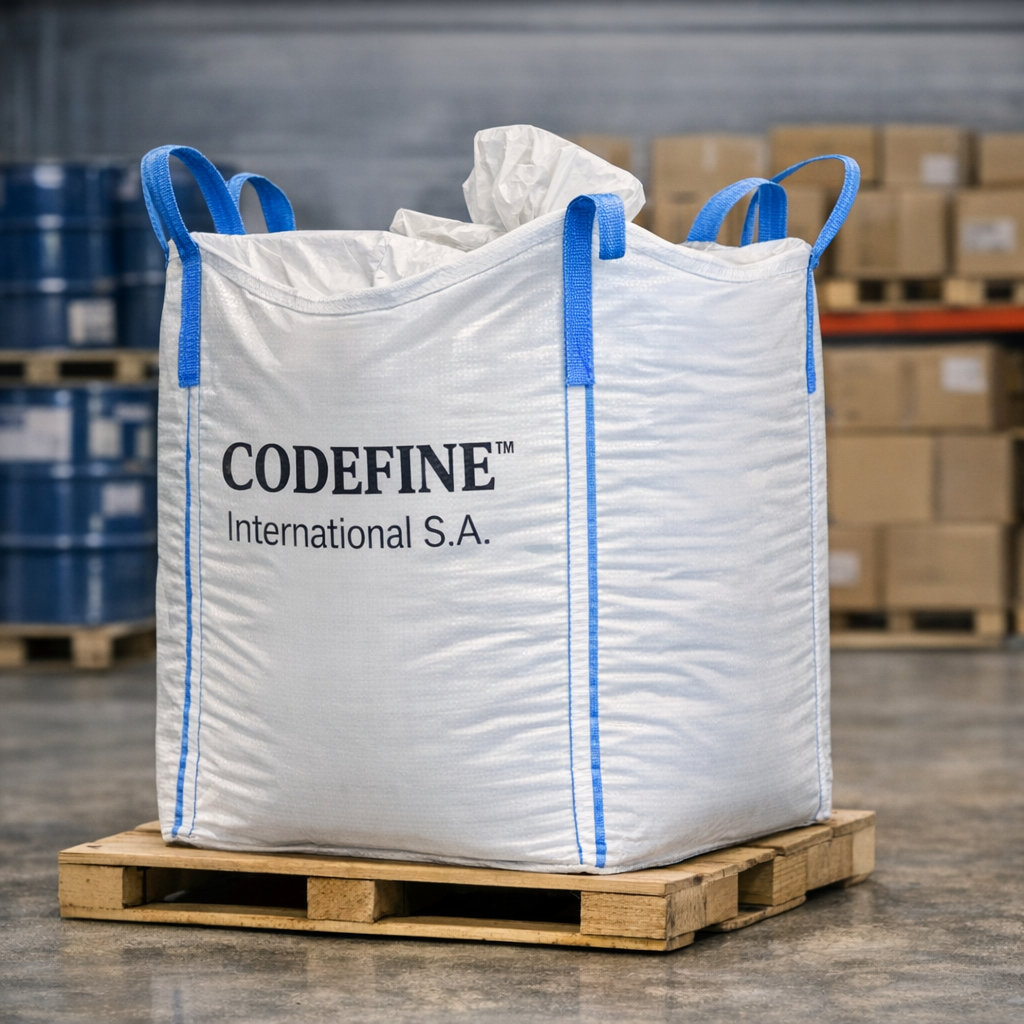
The purchase price of an FIBC represents a small fraction of the total value it protects. A standard bulk bag might cost $15 to $40. The material inside can be worth hundreds or thousands of dollars. The production line it supports may generate tens of thousands of dollars per hour. The regulatory frameworks it must comply with carry their own financial consequences when breached.
Most buyers understand this in principle. The problem is that failure costs are invisible until they happen, and because individual incidents feel isolated, the cumulative exposure is rarely calculated. Understanding how to reduce packaging costs without sacrificing quality starts with understanding what a failure actually costs across all five dimensions.
A bag failure doesn’t trigger a single cost; it triggers several simultaneously. Here’s how each one compounds the others.
The most visible consequence of a bag failure is the product on the floor. A ruptured FIBC destroys its entire contents, and depending on what’s inside, that loss can range from minor to catastrophic.
For commodity materials like sand or aggregates, the direct product loss may be modest. For food-grade bulk bags carrying ingredients like sugar, flour, or spices, the loss includes not just material cost but also disposal, contamination risk, and batch rejection. For specialty chemicals or pharmaceutical raw materials, a single failed bag can represent thousands of dollars in lost product, plus the cost of reordering, re-qualifying, and waiting for replacement stock.
Product loss is the easiest cost to see. It is rarely the largest.
A failure mid-operation doesn’t just lose product; it stops work. The line halts while the spill is contained, the area is cleared, and equipment is inspected for contamination or damage. Workers are pulled from productive tasks. In continuous processing environments, downstream equipment stops too, extending the impact well beyond the immediate workstation.
Problems at the FIBC filling stage, overfilling, poor spout connections, and improper bag positioning are among the most common triggers for line stoppages. A four-hour shutdown on a line processing $10,000 of throughput per hour represents $40,000 in lost production. Against a $25 bag, the math is stark.
Spilled bulk material creates cleanup challenges that go well beyond sweeping the floor. Fine powders form airborne dust clouds that require controlled remediation. Certain moisture-sensitive materials absorb ambient humidity quickly, complicating recovery and disposal. Chemical spills may require specialist contractors, protective equipment, and documented disposal procedures that add both time and cost.
The insidious nature of cleanup costs is that each individual incident feels small. A two-hour cleanup here, an afternoon of overtime there. Over a month of recurring minor failures, these costs accumulate into a significant untracked expense, one that rarely appears in a cost-per-bag analysis but consistently erodes operational margins.
A filled FIBC can weigh up to 2,000 kg. When a bag fails during a lifting operation, whether due to loop failure, seam rupture, or fabric tear, the consequences for nearby workers can be severe. Crushing injuries, falls, and respiratory hazards from released particulates all represent real safety risks that carry both human and financial costs.
Safe FIBC handling is governed by OSHA requirements and FIBCA guidelines, and a workplace injury caused by a bag failure can trigger an investigation, citations, and fines. For facilities handling hazardous materials, the stakes are higher still. Packaging with UN approvals for dangerous goods carries strict compliance requirements, and using non-certified bags or allowing certified bags to degrade creates documented liability. Workers’ compensation claims, legal fees, and increased insurance premiums compound the direct regulatory exposure.
When a bag fails in transit or at the point of delivery, the buyer sees the result before you do. Compromised packaging triggers complaints, rejected shipments, and in regulated industries like food or pharma, potential product quarantine or recall procedures. The cost of managing a single customer complaint, investigation, replacement, and logistics can easily exceed the value of the original order.
Emergency replacement orders, rushed to cover an unplanned shortfall, routinely cost two to three times the price of a standard order once expedited manufacturing and freight are factored in. For operations without a solid FIBC procurement strategy, a single failure event can expose the entire supply chain to disruption.
Repeated incidents carry a longer-term cost that is harder to quantify: loss of approved supplier status, erosion of buyer confidence, and the slow damage to commercial relationships that takes months or years to rebuild.
Risk Factor | Failure Mode |
Fabric weight below application requirements | Tears, punctures, progressive seam failure |
Overfilling beyond the rated SWL | Loop failure, seam rupture, base blowout |
UV degradation from outdoor storage | Weakened fabric and loops, failure under normal load |
Wrong bag type for the application | Static discharge (flammable powders), contamination (food/pharma) |
Reusing single-trip bags | Invisible fatigue in seams and loops, unpredictable failure |
Improper forklift handling | Loop tears, punctures from sharp tines, uneven load stress |
Poor storage conditions | Moisture infiltration, pest damage, and physical degradation |
Understanding failure costs is only useful if you can trace them to their source. Most FIBC bag failures fall into a predictable set of root causes, and the majority are preventable.
Risk Factor | Failure Mode |
Fabric weight below application requirements | Tears, punctures, progressive seam failure |
Overfilling beyond rated SWL | Loop failure, seam rupture, base blowout |
UV degradation from outdoor storage | Weakened fabric and loops, failure under normal load |
Wrong bag type for the application | Static discharge (flammable powders), contamination (food/pharma) |
Reusing single-trip bags | Invisible fatigue in seams and loops, unpredictable failure |
Improper forklift handling | Loop tears, punctures from sharp tines, uneven load stress |
Poor storage conditions | Moisture infiltration, pest damage, and physical degradation |
The common thread across most of these causes is specification mismatch, buying a bag that isn’t designed for the actual demands of the application. This often happens when procurement decisions are driven by price alone, without a full understanding of what the bag needs to do.
Most operations have never run the numbers on what a bag failure actually costs them. The framework is straightforward: start with your product value per filled bag, add your line throughput cost per hour multiplied by estimated downtime, then layer in cleanup labor, any regulatory or safety incident costs, emergency replacement premiums, and customer claim management. The total rarely fails to surprise.
The structure holds across industries: the safe working load of a bag defines its risk threshold, and failures above that threshold trigger costs across every category simultaneously. Running this calculation with your own numbers, your product value, your line throughput, and your regulatory environment typically produces a figure that reframes the entire bag-buying conversation.
Reducing failure risk doesn’t require a complete operational overhaul. The following measures address the most common root causes and can be implemented systematically.
Verify the safety factor for your application. The minimum ISO FIBC safety factor is 5:1 for single-trip use, meaning the bag must withstand five times its rated load before failure. Multi-trip applications require a 6:1 safety factor. High-risk applications involving hazardous or high-value materials warrant specifying above the minimum.
Match the bag specification to the material and environment. Anti-static type, food-grade certification, breathable construction, moisture barrier liners; each of these specifications exists to address a specific failure mode. Using a standard bag where a specialized one is required is one of the most common and avoidable causes of failure.
Inspect every bag before use. Evaluating FIBC fabric for signs of wear, UV damage, seam stress, or loop degradation takes minutes and can prevent significant incidents. Establish a pre-use inspection checklist and make it part of the standard handling procedure.
Demand full documentation from your supplier. Test certifications, SWL verification, food-grade or UN compliance documentation, a reputable supplier provides these without hesitation. Inability or reluctance to supply documentation is a reliable warning sign.
Never reuse single-trip bags. Bags rated for a single cycle may show no visible damage after first use, but the internal stress on seams and loops is real. The failure may not appear until the second or third lift, at the worst possible moment.
Train handling staff consistently. The majority of failure events involve a human element, improper forklift technique, overfilling, and incorrect discharge procedure. Structured training against FIBCA guidelines and OSHA requirements reduces this exposure significantly.
At Codefine, we understand that a bulk bag purchase is not just a packaging decision; it’s a risk management decision. Every FIBC we manufacture is built to verified specifications, supported by full certification documentation, and matched to the specific demands of the application it will serve.
Our team works directly with procurement and operations professionals to identify the right bag for each use case , whether that means food-grade compliance, UN certification for hazardous materials, anti-static protection for flammable powders, or custom dimensions for automated filling lines. We don’t just supply bags; we help you eliminate the specification gaps that lead to failures in the first place.
If you’re evaluating your current FIBC supplier, reviewing your packaging specifications, or responding to a recent incident, we’re ready to help. Contact Codefine to speak with a packaging specialist or request a quote tailored to your application.
How much does an FIBC failure actually cost?
Industry data suggests packaging failures typically cost 10–50 times the bag’s purchase price when all factors are included: lost product, production downtime, cleanup labor, regulatory exposure, and emergency replacement costs. The exact figure depends on material value, facility throughput, and incident severity.
What is the most common cause of FIBC bag failure?
The most frequent causes are overfilling beyond the bag’s safe working load, fabric weight below application requirements, UV degradation from outdoor storage, improper forklift handling, and reusing single-trip bags designed for one cycle only.
Can an FIBC failure result in regulatory penalties?
Yes. Failures during handling of hazardous, food-grade, or pharmaceutical materials can trigger OSHA investigations, FDA-related compliance reviews, or DOT violations. Workers’ compensation claims from injury incidents create additional legal and financial exposure.
What safety factor should my FIBC have to minimize failure risk?
The minimum ISO safety factor for single-trip FIBCs is 5:1. Multi-trip applications require 6:1. High-risk or high-value applications may warrant specifying above these minimums.
How can I tell if my current FIBC supplier is increasing my failure risk?
Key warning signs include: no test documentation or certifications on request, inability to verify fabric GSM or SWL specifications, pricing significantly below market rates, and inconsistent bag quality across orders.
Is a single FIBC failure enough to trigger an OSHA audit?
A reportable workplace injury caused by a bag failure, such as a crush injury from a dropped load, can trigger an OSHA investigation. Facilities with a pattern of violations or incidents face higher audit risk.
See how our products can improve your operations and drive your success.
Get in touch to find out how Codefine can support your business with tailored solutions and expert guidance.