FIBC Considerations for Fertilizer and Agrochemical Packaging
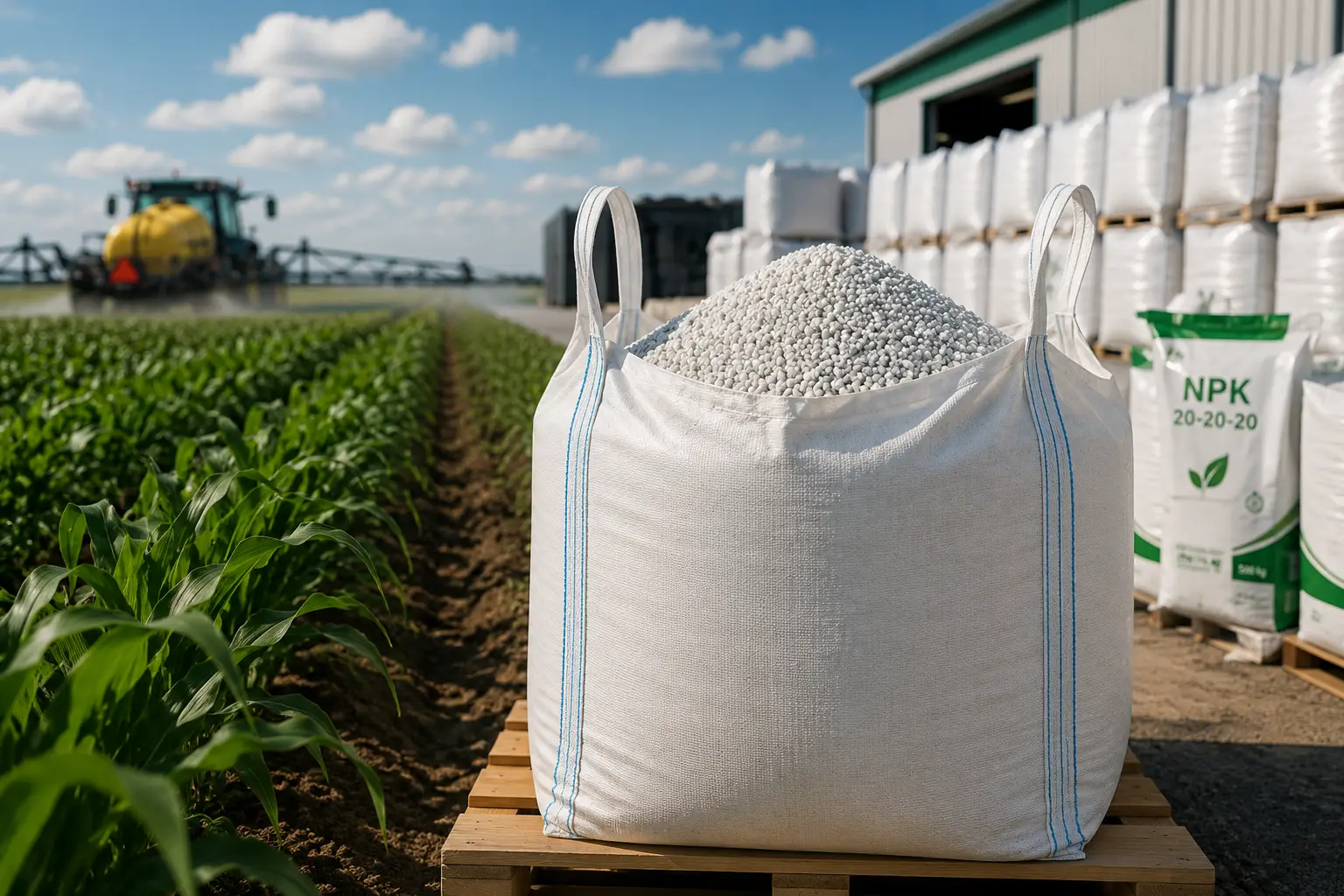
On this page Fertilizer is one of the highest-volume product categories that moves through FIBCs in the US market, and it’s also one of the most punishing on packaging. The

On this page Fertilizer is one of the highest-volume product categories that moves through FIBCs in the US market, and it’s also one of the most punishing on packaging. The
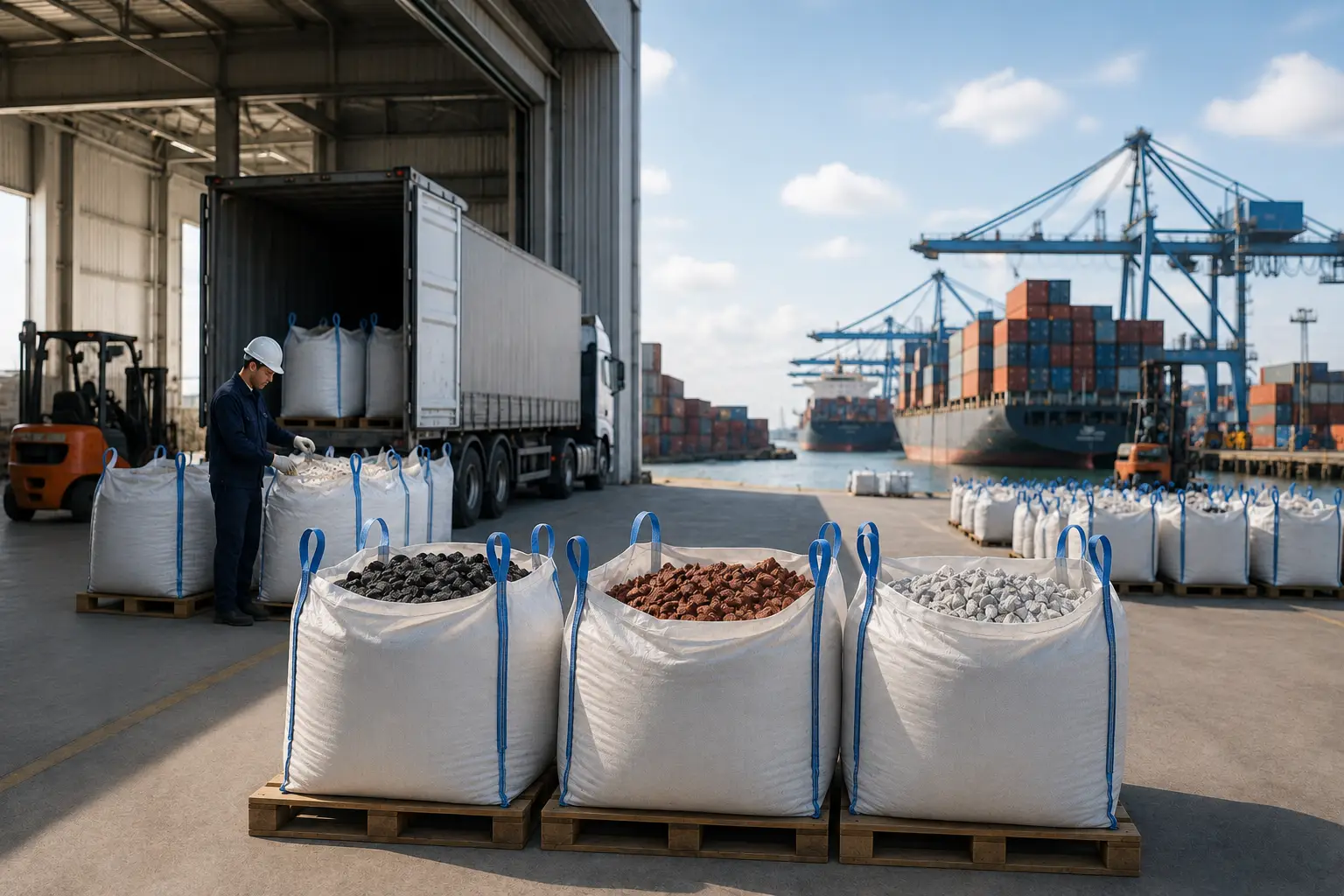
On this page The vast majority of FIBCs used in the United States are manufactured overseas. India and China account for the largest share of imports, with Vietnam, Turkey, and
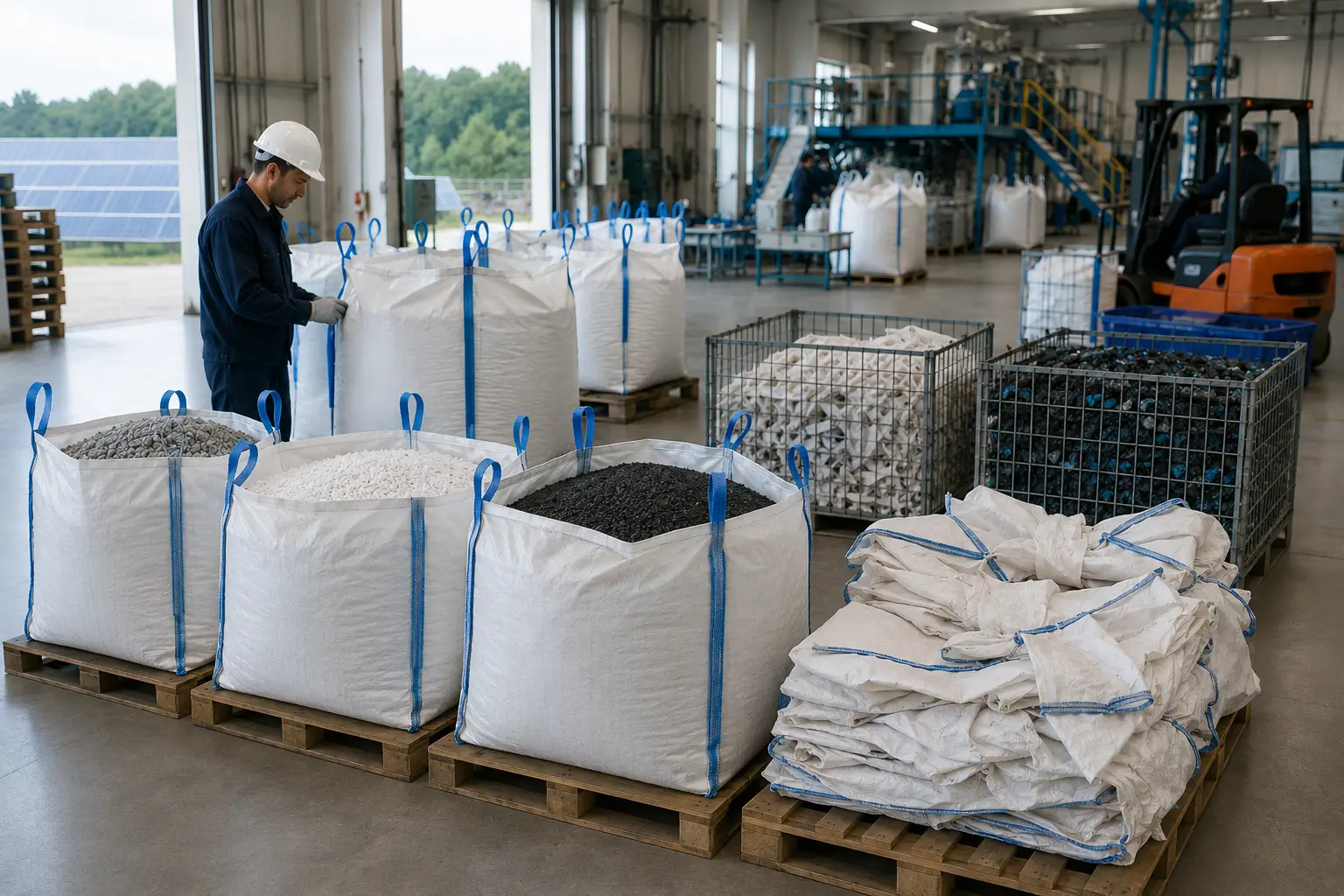
On this page Extended Producer Responsibility is moving from a European regulatory concept to a North American reality, and it’s reaching the packaging decisions that FIBC buyers and procurement teams
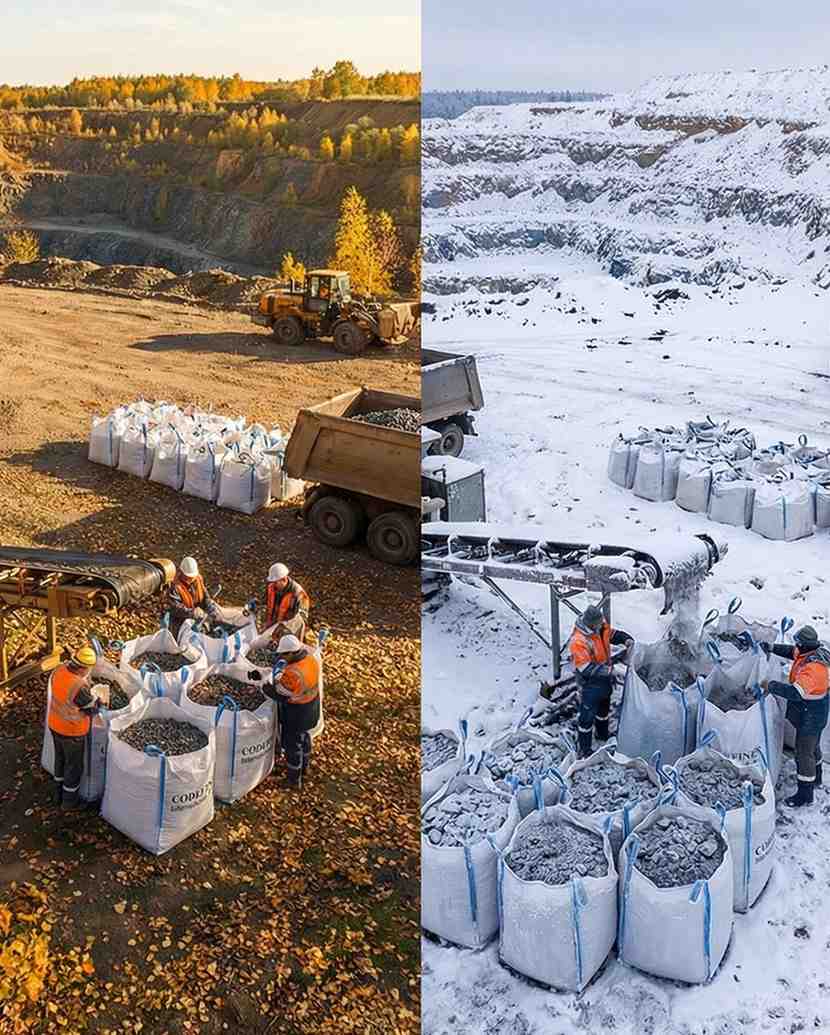
UN certification on an FIBC is not a one-time stamp that follows the bag forever. The certification covers a specific bag design, manufactured by a specific supplier, tested by a
A UN-certified bulk bag with the correct certification is only part of what a hazardous goods shipment needs. The other part is labeling: the printed and applied markings that tell
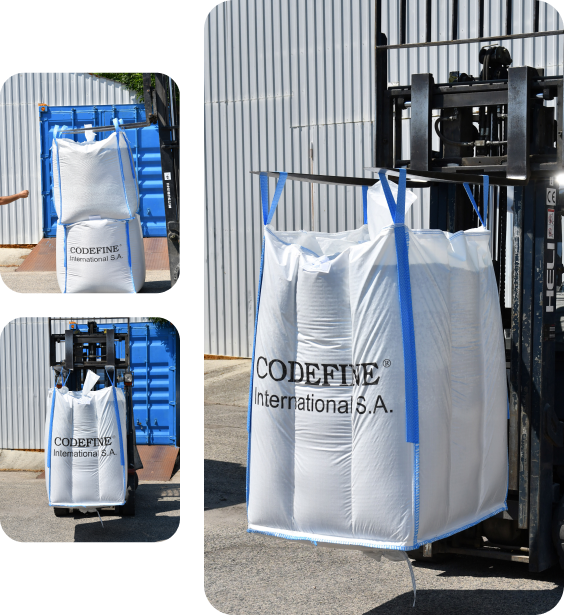
A UN-certified bulk bag is a regulated piece of packaging. The bag carries a printed marking that declares its compliance with the UN Recommendations on the Transport of Dangerous Goods,
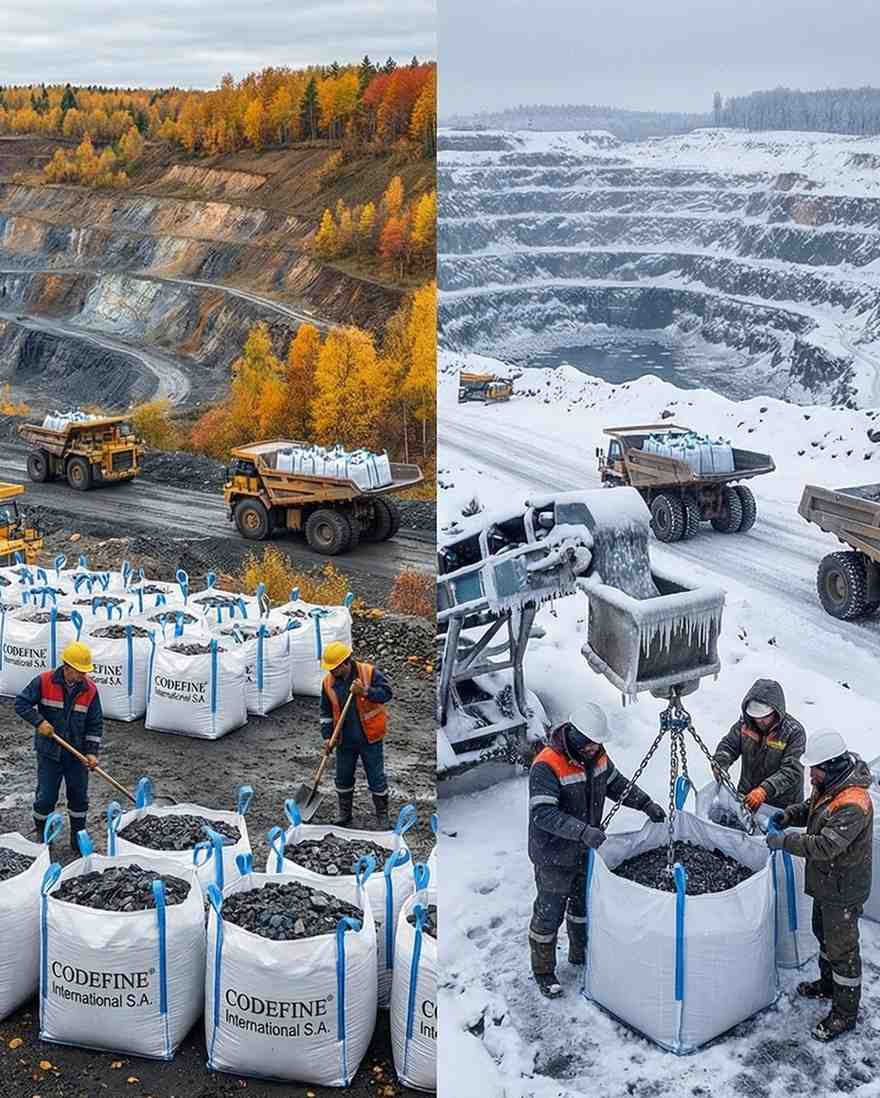
A UN-certified bulk bag is not a single product. The UN marking covers four distinct FIBC types, each built differently and each approved for a different set of hazardous materials.
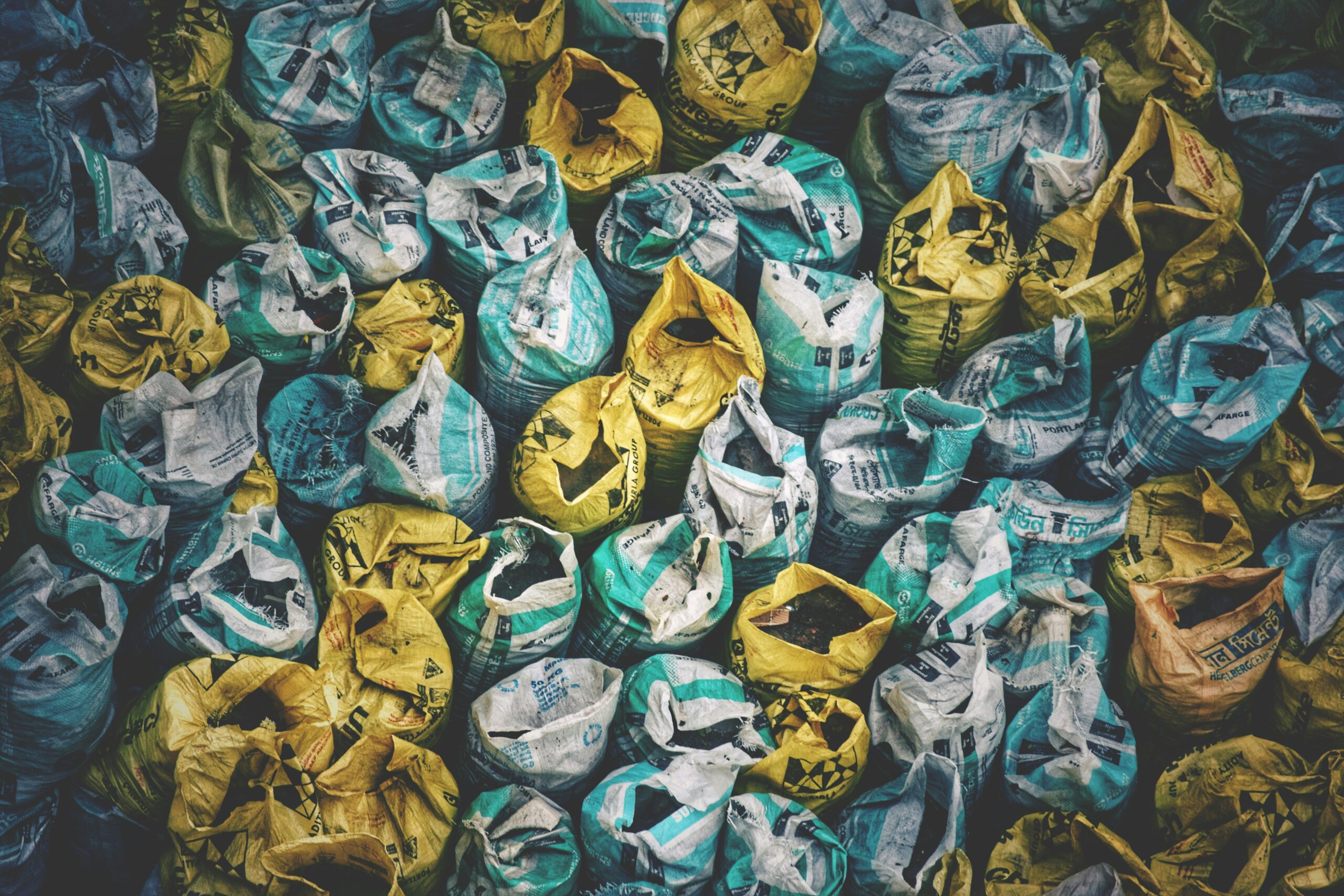
Polypropylene might be a wonder material used across many industries, but can it be recycled? The good news is that it can. Recycled polypropylene represents an eco-innovation in packaging. Thanks
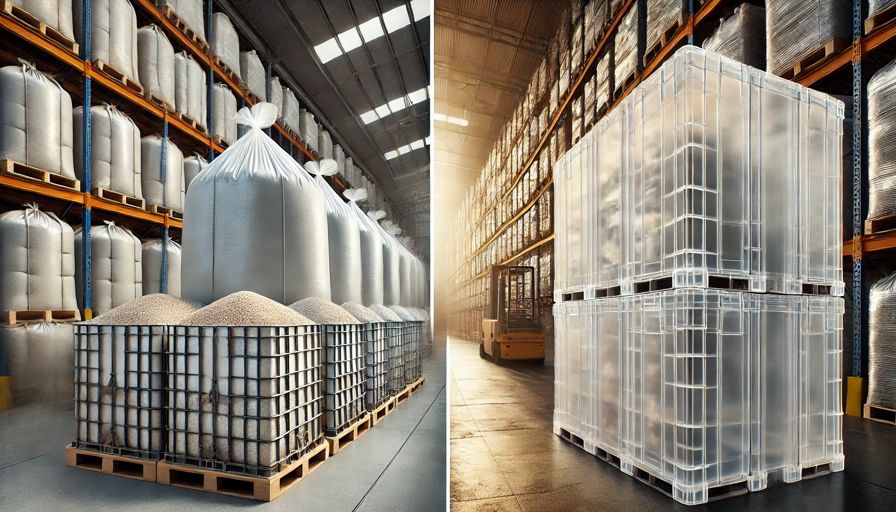
Bulk packaging was never meant to be a strategic concern. For most operations teams, FIBCs and container liners were commodity purchases, specified once, reordered on schedule, and assumed to arrive