
Home » Posts Page » Blog » Products and Materials » Liner Material Selection by Product Type: PE vs. Foil/Metallized vs. Multi-Layer for Moisture, Oxygen, and Temperature Sensitivity
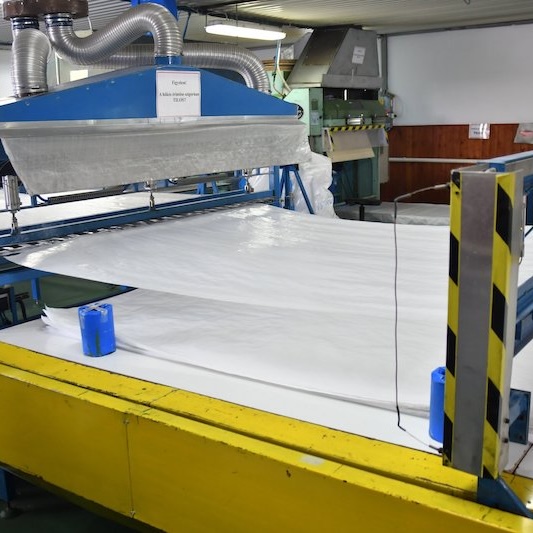
Each liner solves a different problem. Polyethylene is your everyday choice. Foil and metallized films sit at the high-barrier end, built to shut out water vapor and gas. Multi-layer coextrusions and laminates let a manufacturer stack polymers so you get the barrier your product needs without paying for extra protection. Before you weigh them against specific risks, it helps to know how each one is built and where it tends to fail.
PE liners come in low-density (LDPE) and linear low-density (LLDPE) grades, from light films for dry, free-flowing goods up to heavy gauges for sharp or abrasive material. They’re cheap to make, easy to heat seal, and flexible enough to survive filling, folding, and moving at the loading dock. You get a solid barrier against liquid water and a moderate one against water vapor, which is why PE covers so much everyday bulk work: salt, sugar, sand, plastic pellets, plenty of fertilizers and minerals.
The weak spot is gas. Oxygen and carbon dioxide pass through polyethylene with little resistance. Going thicker slows vapor transfer a little and does next to nothing for oxygen. If your product tolerates air and just needs to stay dry for a few weeks, a PE liner gives you the best cost per load. Our guide to polyethylene liners for bulk bags walks through the main types and how to fit them.
A foil liner laminates a real layer of aluminum between polymer films such as PET and PE. While that aluminum stays intact, water vapor, oxygen, and light have nowhere to go, which makes foil the default for hygroscopic APIs, milk powder, and anything where a few grams of absorbed moisture ruins the batch.
A metallized liner looks similar on the shelf, with the same silver sheen, but its aluminum is a vapor-deposited coating far thinner than foil. You still get a big step up from PE against moisture and oxygen, in a lighter, more flexible film that costs less.
Both share one weakness: flex cracking. Crease the film hard during installation, or let a full bag slump and rub against the container wall for three weeks, and pinholes open up along the folds. One cracked fold can undo much of the barrier you paid for, so careful handling and a liner shape that avoids sharp creases count for a lot here.
By stacking polymers, multi-layer liners combine PE outer layers for moisture control, an EVOH or nylon core for an oxygen barrier, and thin tie layers to bind them. Some manufacturers coextrude the whole structure in one pass; others laminate separate films together.
EVOH blocks oxygen far better than PE, yet it loses much of that ability when wet, so the PE skins shield it from humidity on both sides. Nylon adds puncture resistance and copes better with heat, which helps if you fill product warm or ship sharp granules. The result is a liner that protects coffee, nuts, or oxygen-sensitive chemicals for months without the cost or the fragility of foil.
The catch hides in the spec sheet. Two multi-layer films can look identical and perform nothing alike, depending on layer thickness and the barrier resin used. Ask your supplier for measured oxygen and water vapor transmission figures at the conditions your cargo will see, and compare like with like.
When matching liner to a moisture sensitivity, ask a simple question: what happens to your product if it picks up a little extra moisture? For sand, gravel, or most polymer pellets, very little, and a standard PE liner is enough. Sugar, salt, urea, and many powdered chemicals clump when exposed to humidity past their critical point, and a few weeks in such a warehouse can turn a free-flowing load into a solid block your customer has to break apart with a steel bar.
For moderately hygroscopic products on shorter routes, a heavier PE liner with a well-made seal does the job. Long sea voyages through humid climates require metallized or multi-layer films. Highly hygroscopic materials, like APIs, milk powders, and some specialty chemicals, belong in foil, because an intact foil layer lets almost no water vapor through.
Keep in mind that a barrier works in both directions. Seal a damp product inside a foil liner, and that moisture stays in with no way out. Check product moisture at filling, and read our breakdown of why moisture damage happens before you blame the liner for caked product at destination. For a wider look at barrier films beyond liners, our guide on moisture barrier materials for packaging goes deeper.
Oxygen damage appears quietly. You won’t spot it at the port, but your customer will taste it, smell it, or catch it in a lab. Fats and oils turn rancid, roasted coffee goes flat, vitamins and some pharmaceutical actives lose potency, and fine metal powders build up a surface oxide layer.
PE won’t stop this. If your product needs protection from oxygen, plain polyethylene isn’t a good option, no matter how thick you make it.
That leaves multi-layer or foil, and how long you need protection decides it. An EVOH or nylon multi-layer liner shields oil-rich powders, nuts, and most food ingredients for months at a sensible price. Foil pays off for products that can’t take any oxygen pickup or will sit in storage for a year or more. Add nitrogen flushing or oxygen absorbers to either liner, and you extend shelf life further by clearing the oxygen trapped at filling.
When choosing liner materials, ask for oxygen transmission rate (OTR) data measured to a recognized method such as ASTM D3985, and check the humidity the supplier tested at. EVOH-based films can look excellent in dry lab air and perform worse in a damp container.
Temperature swings change the choice of a liner in two ways. It changes how the film behaves, and it drives condensation inside the package.
PE stays flexible in the cold, so it suits chilled and frozen goods. Heat is another matter. Hot products straight from a dryer can stretch a thin PE liner and weaken its seals. Multi-layer films with nylon or PET hold up better under heat, and foil handles a wide range, though you should check the sealant layer’s limits with your supplier.
Condensation is the bigger risk for most shippers. Containers heat up and cool down again and again, between hot ports and cooler climates or simply between day and night. Each time it cools, moisture in the trapped air forms droplets on the liner wall and drips onto your product. Fill warm product into a high-barrier liner, and it gets worse, since the moisture has no way out.
You fix this in the process as much as in the material. Let product cool before filling, keep headspace small, and add desiccants where the route crosses big climate swings. If you move loose bulk in shipping containers, the same thinking applies to container liners, where a single load weighs a lot.
The right liner depends on your product and the route it travels, so here’s how PE, foil, and multi-layer match up against food, pharmaceutical, chemical, and agricultural goods. Treat these as starting points, since your shelf-life target, transit time, and customer specs can shift any product toward a lighter or stronger barrier.
Food ingredients vary widely in sensitivity, but sugar and salt mostly need to stay dry, so a food-grade PE liner covers them on domestic or short export routes.
Milk powder, whey protein, and infant formula pull in moisture fast. Their fat content makes them prone to oxidation, so you’re looking at a multi-layer liner with an oxygen barrier as a minimum. Roasted coffee, cocoa, nut flours, and spice blends are oxygen-sensitive, too. With these, aroma loss counts as product damage. A metallized or EVOH multi-layer liner keeps those volatile compounds where they belong over a typical export cycle.
Whatever you pick, the liner has to meet food-contact rules for your market, and the bag around it should come from a certified facility. We build our food-grade FIBC bags for exactly that pairing.
Pharmaceutical materials leave you the least room for error. Many active ingredients are hygroscopic; some even break down on contact with oxygen or light. Foil liners are the usual pick for sensitive APIs because they block moisture, oxygen, and light in one structure.
Common excipients such as lactose, microcrystalline cellulose, or calcium carbonate often go in a multi-layer or heavy PE liner. Your quality team will want stability data behind whichever liner you choose, so plan that testing early instead of finding the gap during an audit.
Cleanliness matters as much as barriers. Pharma liners should come from controlled production environments with full lot traceability, inside a bag made to the same standard. You can see how we handle this in our pharma-grade FIBC bags and in our article on bulk bags for pharmaceutical raw materials.
Grain and seeds respire, taking in oxygen and giving off moisture, carbon dioxide, and heat. Seal them inside a high-barrier film without proper drying, and you trap that moisture and warmth inside. For bulk grain and feed, a breathable bag or a PE liner often protects quality better than a tight barrier.
Seeds you want to keep viable through longer storage are the exception. Once dried to a low moisture content, they do well in hermetic multi-layer or foil packaging, which slows respiration and keeps insects out. Dried fruit, nuts, and dehydrated vegetables lean toward multi-layer liners that protect color, flavor, and oils.
Moisture content at filling is the deciding factor. Measure it before you fill, and you sidestep most of the mold and heating problems that surface at destination. Our guide to long-term grain storage covers the storage side in more depth.
Chemical products split into two broad groups. Inert minerals like silica sand, kaolin, or titanium dioxide mainly need dust containment and rain protection, and a standard PE liner gives you both at low cost.
Hygroscopic chemicals push you up the barrier scale. Calcium chloride, urea, potassium carbonate, and many specialty salts draw water out of the air and cake hard. A heavy multi-layer liner or a foil liner earns its price here, on humid routes in particular. Oxygen sensitivity shows up less often in this sector, yet it matters for metal powders, certain catalysts, and some resins, where a multi-layer film with an oxygen barrier or foil with a nitrogen flush gives you the protection you need.
Check chemical compatibility too. Solvents and some aggressive compounds can attack PE or the tie layers in a laminate. Our guide on FIBC requirements for hygroscopic materials covers the bag side of the decision.
The best liner for your product is the one that still protects it across the whole route. Finding that point takes a few straight answers. Write down how much moisture your product can absorb before quality slips, whether oxygen exposure matters, the temperatures it will meet between the filling line and final unloading, and how long it has to last once it arrives. Those answers rule out most options before you ever open a price list.
Products that just need to stay dry for a short trip do fine in PE. Long humid voyages, along with oil-rich or aromatic goods, move you into multi-layer films, and foil earns its place wherever any moisture or oxygen pickup means rejected product, which covers most sensitive pharmaceuticals and premium dairy powders.
Run a trial shipment whenever you switch liner material, and inspect the product at arrival instead of trusting the spec sheet alone. If you’ve already compared materials in our guide on how to choose the right liner material for your product, this product-by-product view should help you trim the shortlist.
Codefine supplies liners for FIBC bulk bags and container liners matched to your cargo and its route. Talk to our team, and we’ll help you pick a barrier that fits the product, not the other way around.
Yes and no, a PE liner is enough for moisture-sensitive products, but not for all of them. For mildly hygroscopic goods on short or temperate routes, a heavier PE liner with a good seal often works. Long sea freight, tropical climates, or products that cake at low moisture levels call for a multi-layer or foil liner, since PE lets water vapor creep through over time.
The difference between a foil and metallized liner comes down to their protective features. A foil liner contains a real layer of aluminum laminated between plastic films, giving you close to a total barrier against moisture, oxygen, and light. A metallized liner carries a much thinner vapor-deposited aluminum coating. It costs less and flexes more easily, though its barrier sits well below foil’s.
Intact aluminum foil gives you the strongest oxygen barrier. Multi-layer films with an EVOH core come next and protect most food and chemical products for months at a lower cost. PE offers little oxygen protection at any thickness.
Yes, if you fill warm or damp product. A sealed foil or multi-layer liner traps whatever moisture goes in, and temperature swings in transit make it condense on the inner wall. Cool your product before filling and add desiccants on routes with big climate changes.
See how our products can improve your operations and drive your success.
Get in touch to find out how Codefine can support your business with tailored solutions and expert guidance.