How to Read an FIBC Label: What Every Mark and Number Means
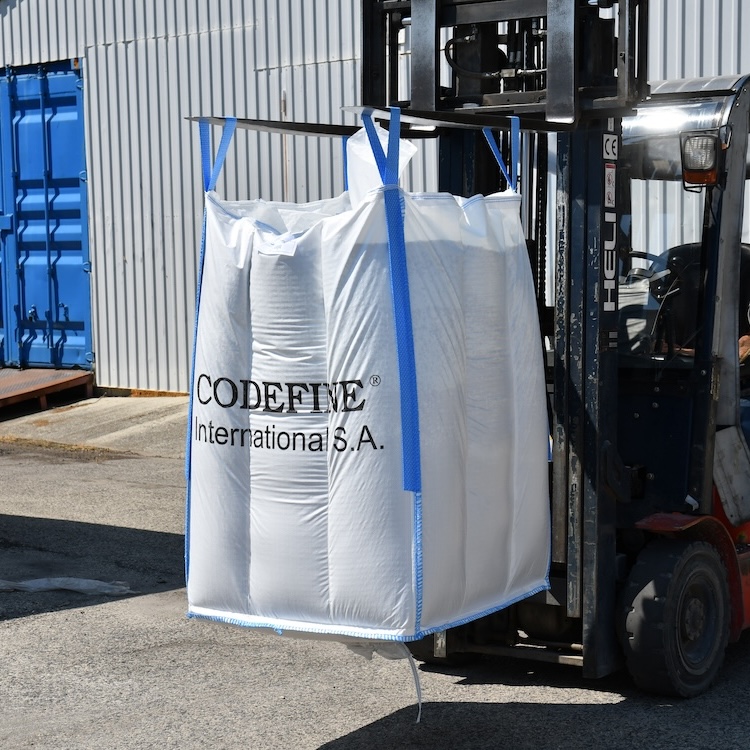
Most people who work with bulk bags every day have never read the label on one. The numbers are there, the abbreviations are printed clearly, and the certification marks are

Most people who work with bulk bags every day have never read the label on one. The numbers are there, the abbreviations are printed clearly, and the certification marks are

Most FIBC procurement decisions focus on load capacity and price. Fill rate and discharge speed rarely make it into the conversation, until the bags are in use and something is

When a container liner fails mid-voyage, collapsing under product weight, tearing at a seam, or leaving residue across the container floor, the first assumption is usually a defective liner. Most

Spring is the most unforgiving season in agricultural procurement. The planting window is fixed, the supply chain has no slack, and a packaging failure at the wrong moment can cost

Polypropylene is a popular choice of material in the packaging industry. Hard-wearing and built to last, this wonder material also boasts impressive chemical resistance, electrical insulation, and superior rigidity. However,

In the agricultural sector, keeping vegetables fresh over long distances is a paramount concern. As well as preserving flavor and quality, maintaining freshness is crucial to ensuring that produce remains

What is non bulk packaging and how does it differ from bulk packaging? These are common questions businesses have when searching for new packaging solutions for products. While both types

If you’re in the market for heavy-duty packaging solutions, you’ll no doubt have come across woven and non-woven polypropylene bags. While these two packaging products may look indistinguishable, there are

In today’s complex supply chain environment, choosing the right Flexible Intermediate Bulk Container (FIBC) partner is a critical decision for procurement teams across industries. As bulk packaging evolves with new